The McDonnell-Douglas F-4 Phantom II had several nick names including "The World's Largest Distributor Of
MiG Parts", "Old Smokey", "The Big Ugly", and "America's Proof To The World That With Enough Power Even A
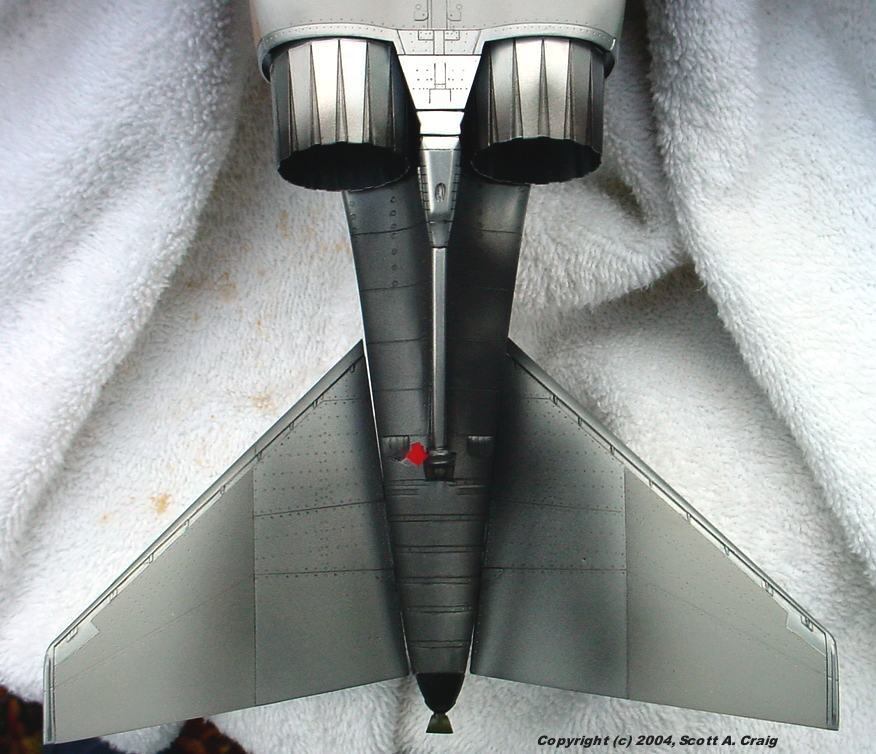
Brick Can Fly". There is no question that with its drooping tailplane and bent-up wing tips that it
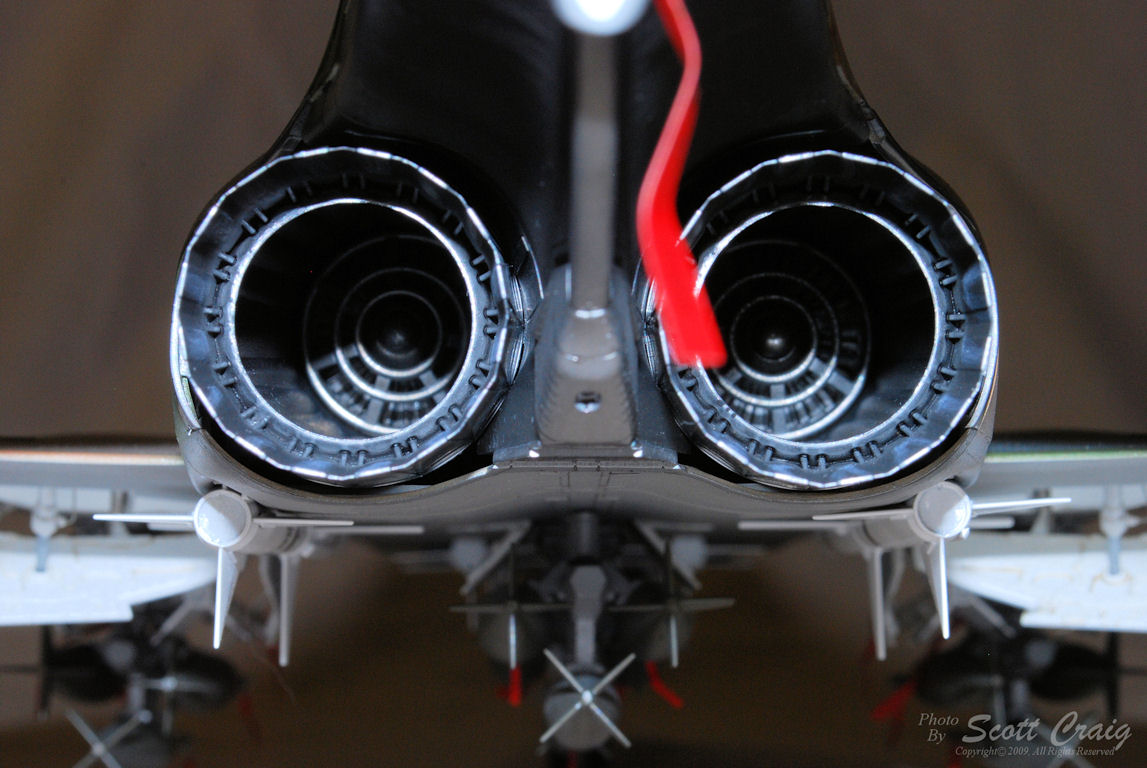
has a distinctive profile, nor is there any question that with its two huge, smoky GE J-79 engines that it
could be seen for miles. But there is also no question that it was a magnificent aircraft that truly
deserves its place in aviation history.
Flown operationally by the US Military from 1960 to 1996 McDonnell-Douglas produced over 5,000 Phantoms
in 20 model configurations, including nation-specific configurations. This is the largest production
run of any supersonic fighter built in the United States.
Few if any aircraft can make as many claims as the F-4 Phantom. Originally designed in response to
a Navy RFP, the Phantom eventually flew for the US Air Force, Navy, and Marines. The Phantom joined
the US Navy in 1959 and then the Air Force and Marines in 1962 and served in both Vietnam and Operation
Desert Storm. The Phantom set 15 world aviation records within its first 28 months, including
altitude (98,500 ft.), 8 time-to-climb marks, and speed (Mach 2.59). Five speed records were held
for 13 years until broken by the F-15 Eagle in 1975. It was the first aircraft to achieve a
sustained altitude of 66,443.8 ft. and the first aircraft to fly from Los Angeles to New York in 2 hours
and 49 minutes.
The Phantom design, as originated by McDonnell-Douglas as the F3H-G (and later the F4H-1), had four 20mm
cannon. The US Navy, in an optimistic blunder, viewed guns as being obsolete and wanted an aircraft
designed for the new AIM-7 Sparrow missiles. Being under the impression that all future air
combat would be fought at distances that would preclude gun engagements, they felt that the weight and
performance penalties of hauling around the guns and ammunition was a mistake. This oversight was
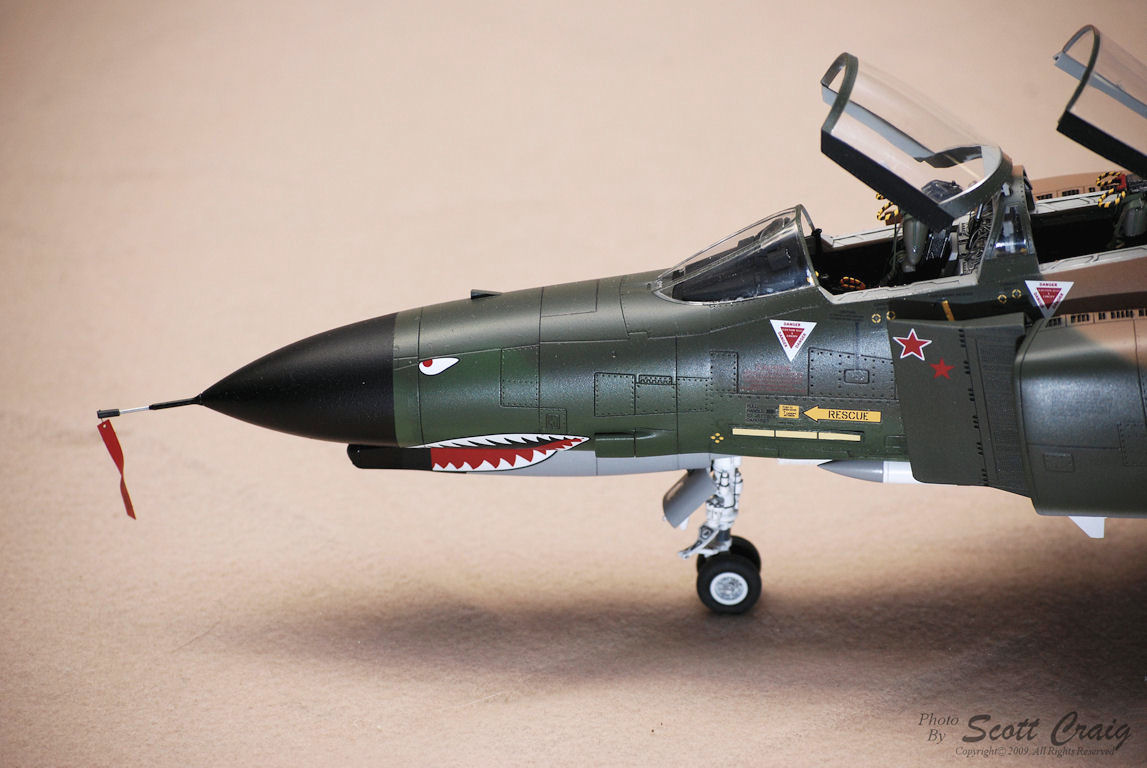
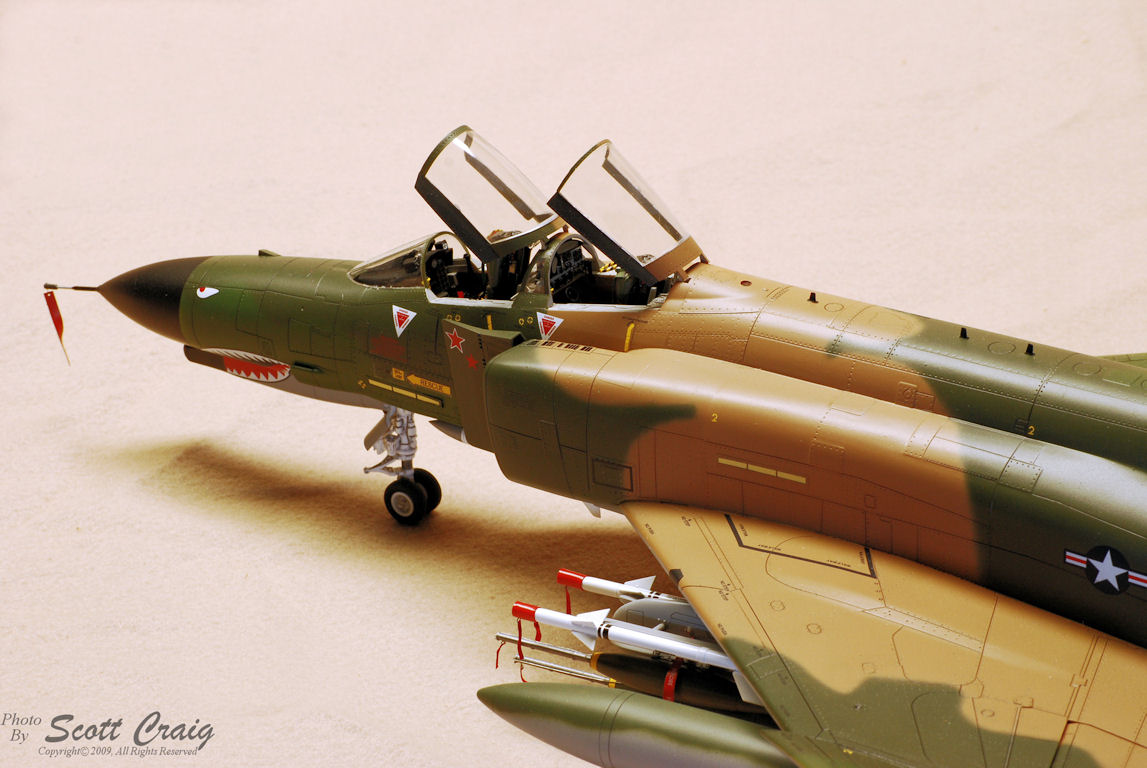
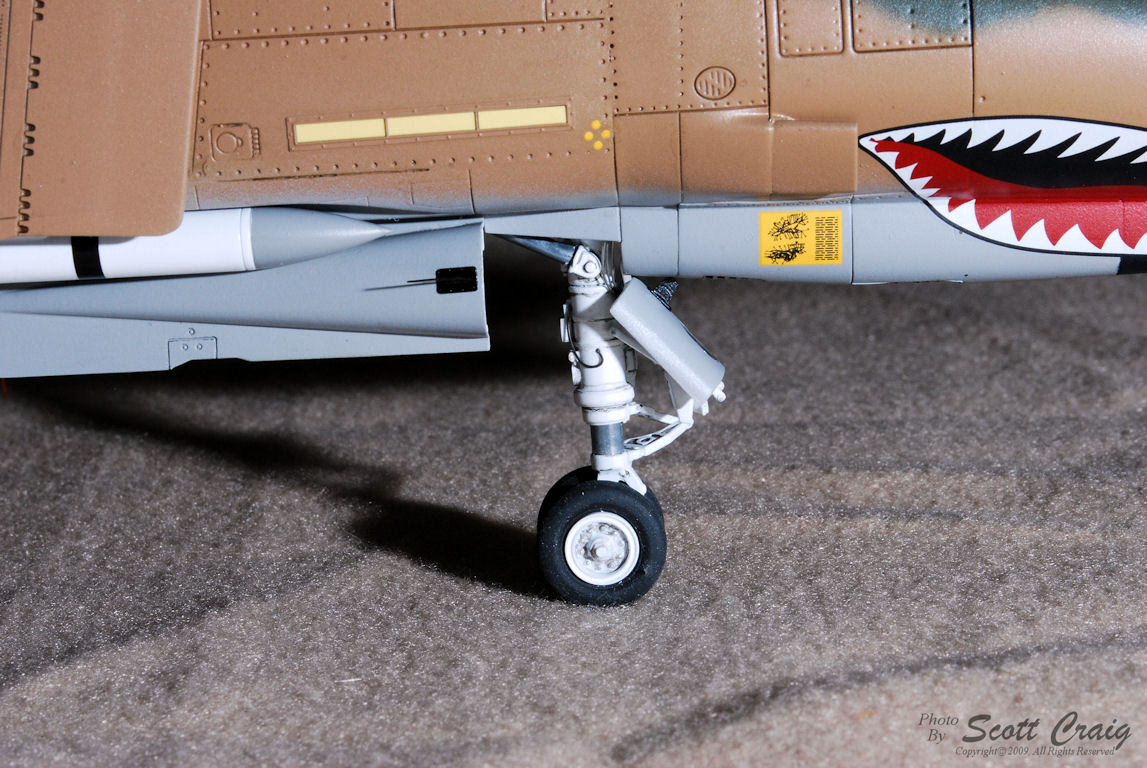
rectified in the F-4E by the installation of a M61A1 6-barreled 20mm cannon in a fairing under the nose.
For a full history of the F-4 Phantom, Click This
Link. This site has a complete explanation of all of the F-4 variants from the concept
aircraft to the last production aircraft, and is a must for all F-4 Phans!
Quick historical note ... if anyone is interested in why the F-4 is called the Phantom II it is
because there actually was a short-lived Phantom I.
This Web Page on the US Museum of Naval Aviation web site
tells the story. It was originally designated the XFD-1 and later redesignated as the
FH-1 Phantom.
Another quick historical note ... The Phantom is credited as a product of McDonnell-Douglas Aircraft, but in
reality the aircraft was initially designed and built by McDonnell Aircraft Corporation. According to
This Page on the
US Centennial Of Flight Commission web site, "Production
began in October 1954, and the Mach 2 fighter made its first flight as a Navy interceptor on May 27, 1958,
under the F-110 'Spectre' designation." The company of McDonnell-Douglas came into being on April 28,
1967 when McDonnell Aircraft Corporation acquired Douglas Aircraft and the two merged to become
McDonnell-Douglas. On December 15, 1996 Boeing Corporation acquired McDonnell-Douglas.
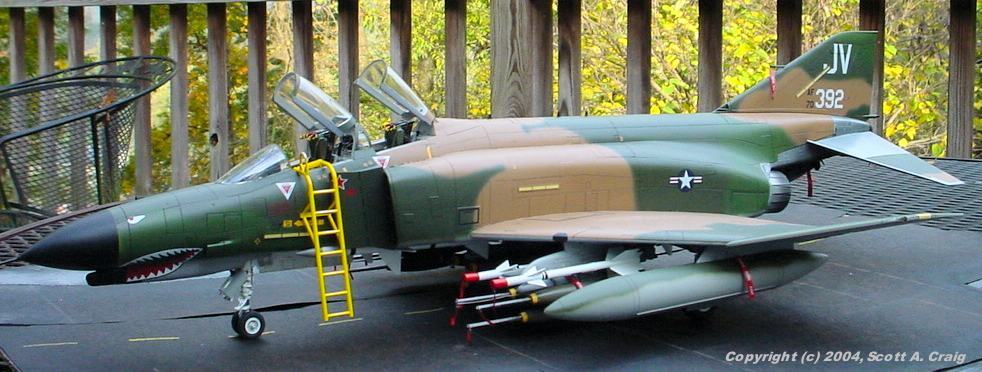
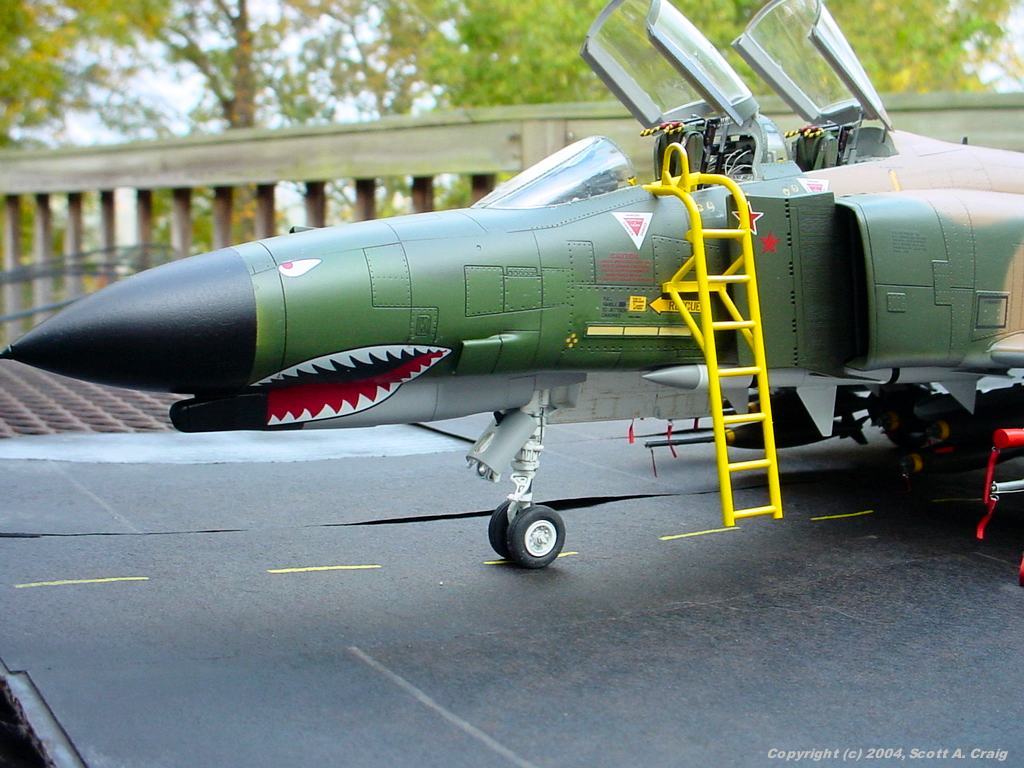
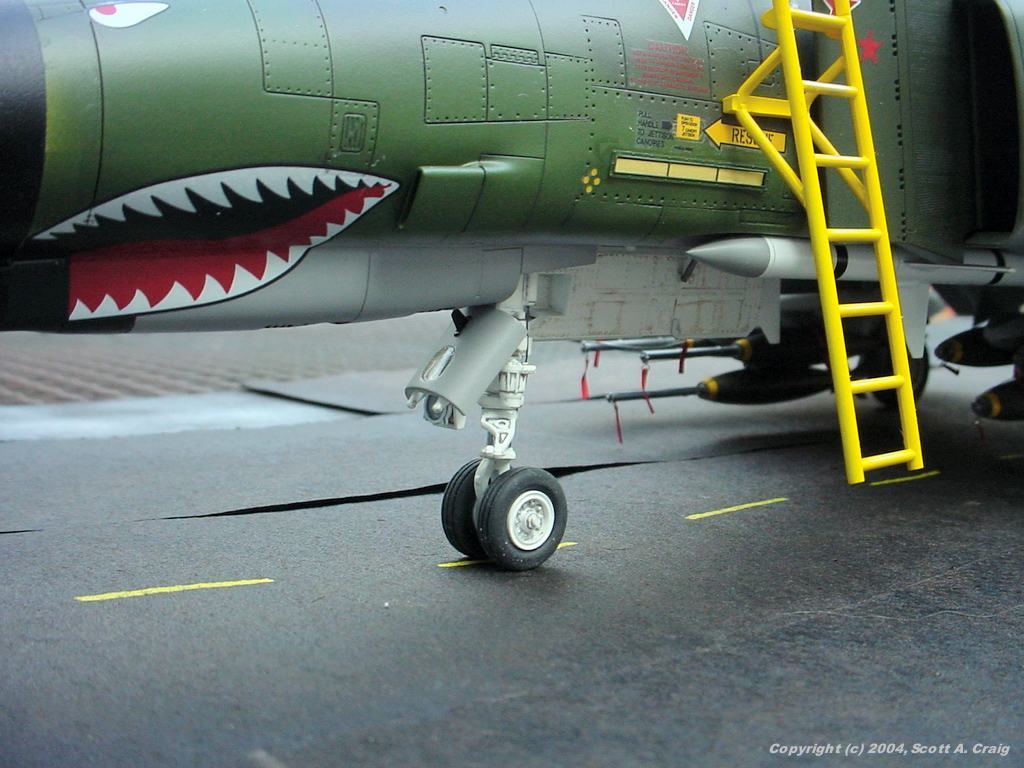
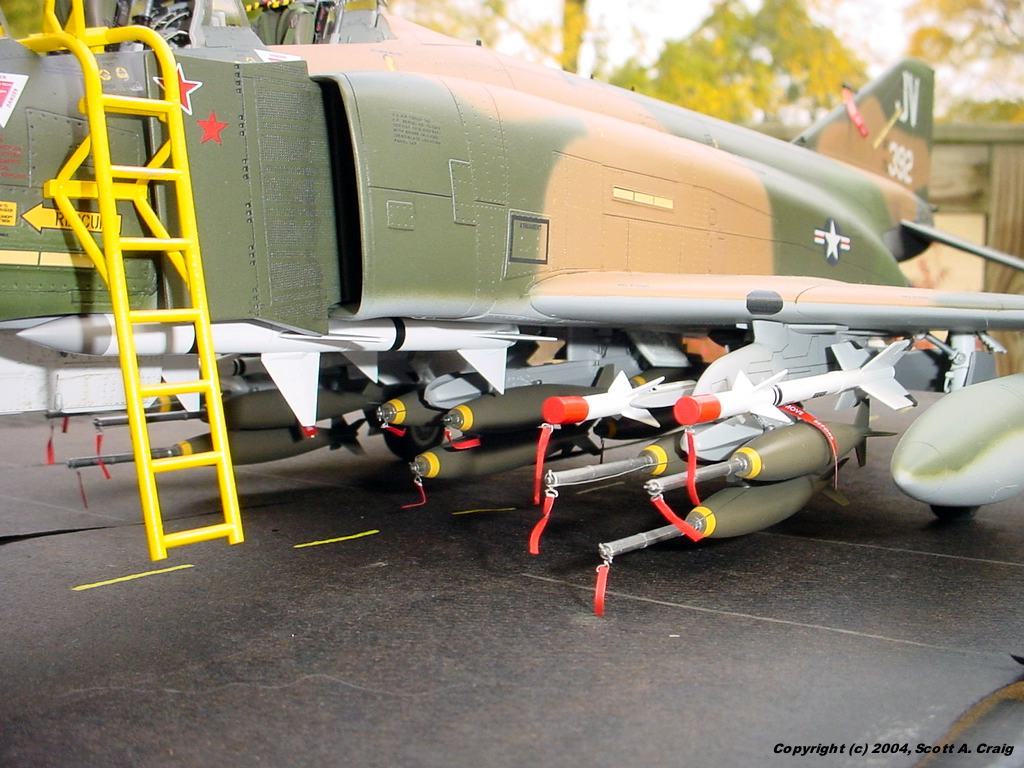
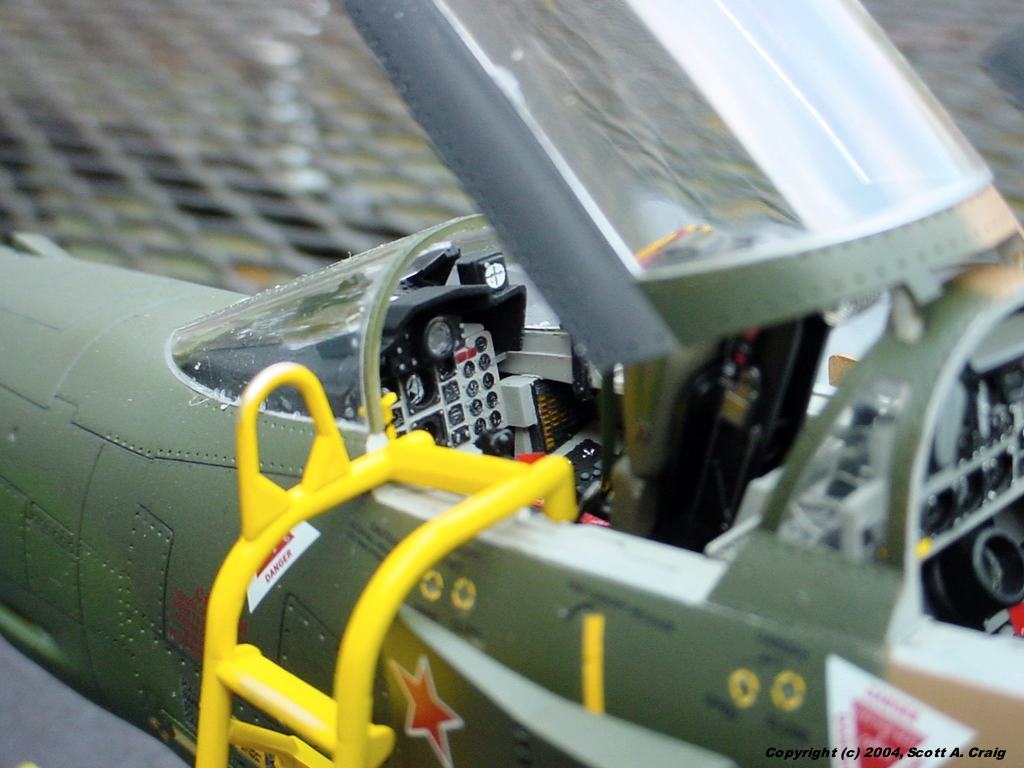
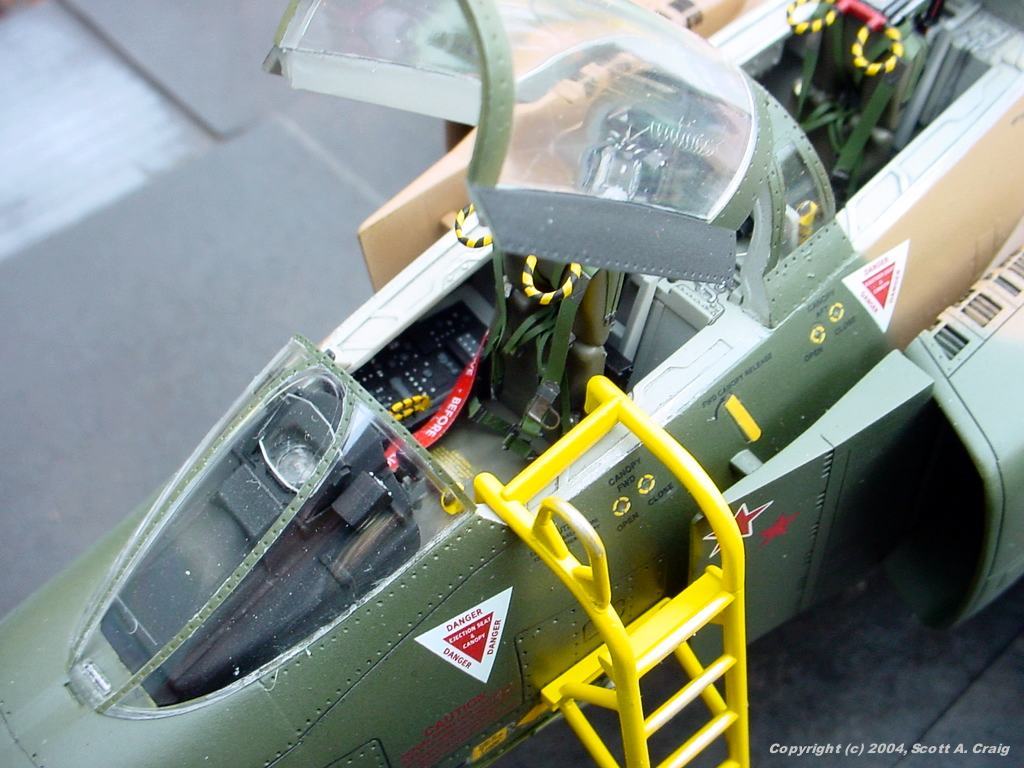
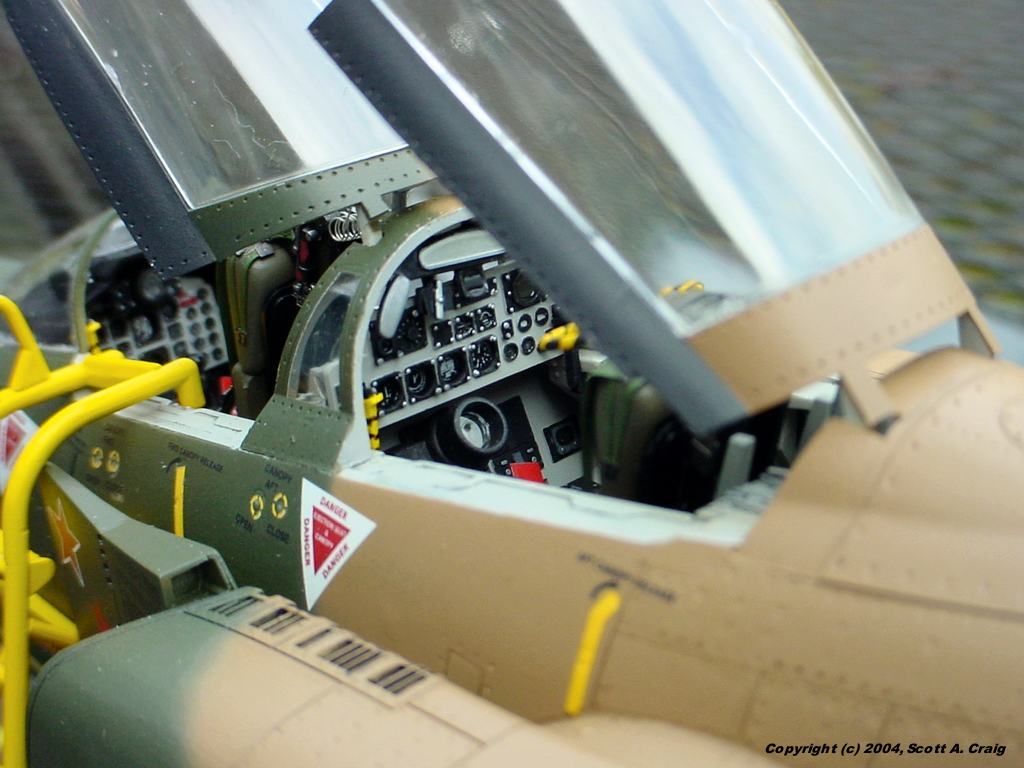
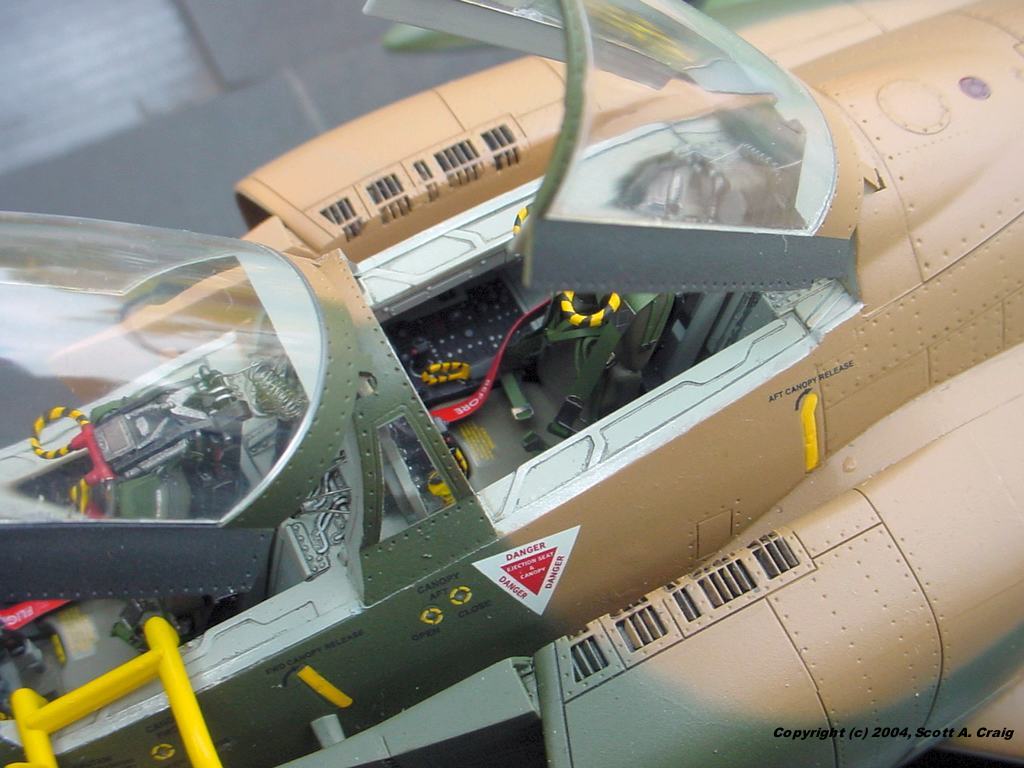
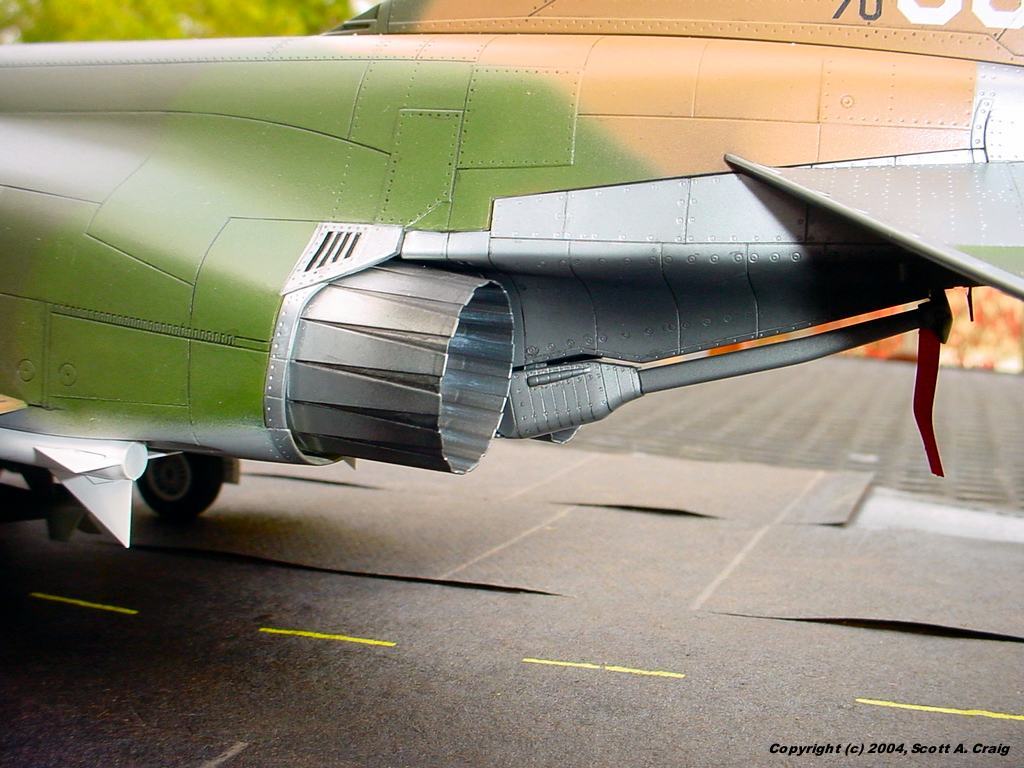
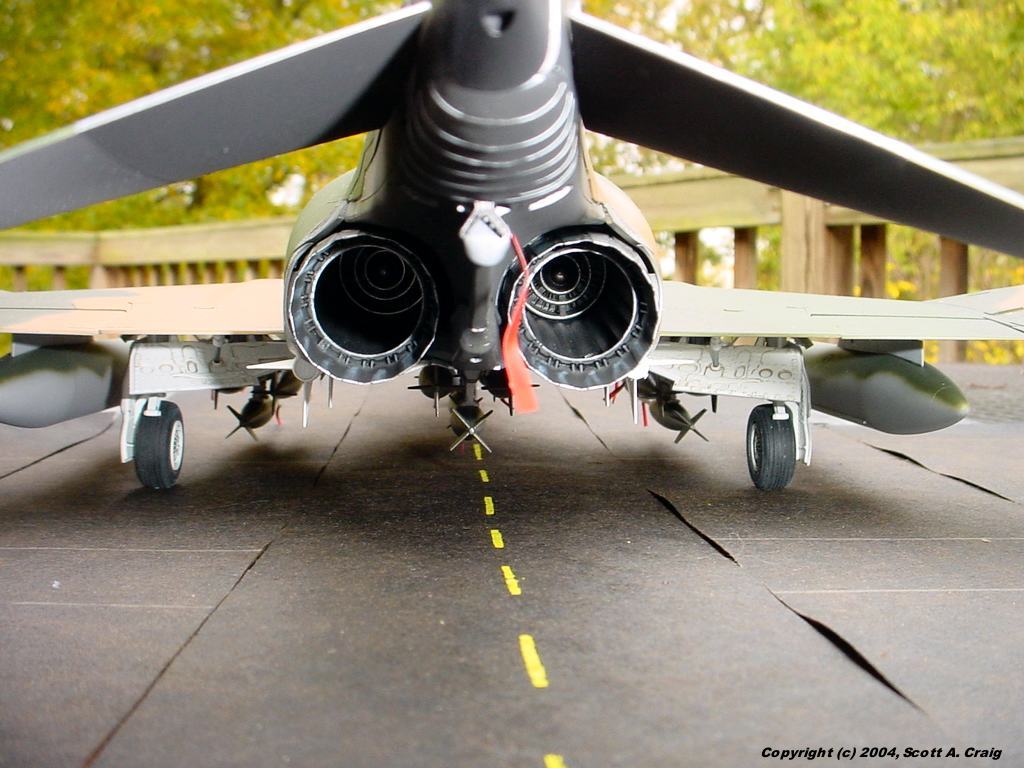
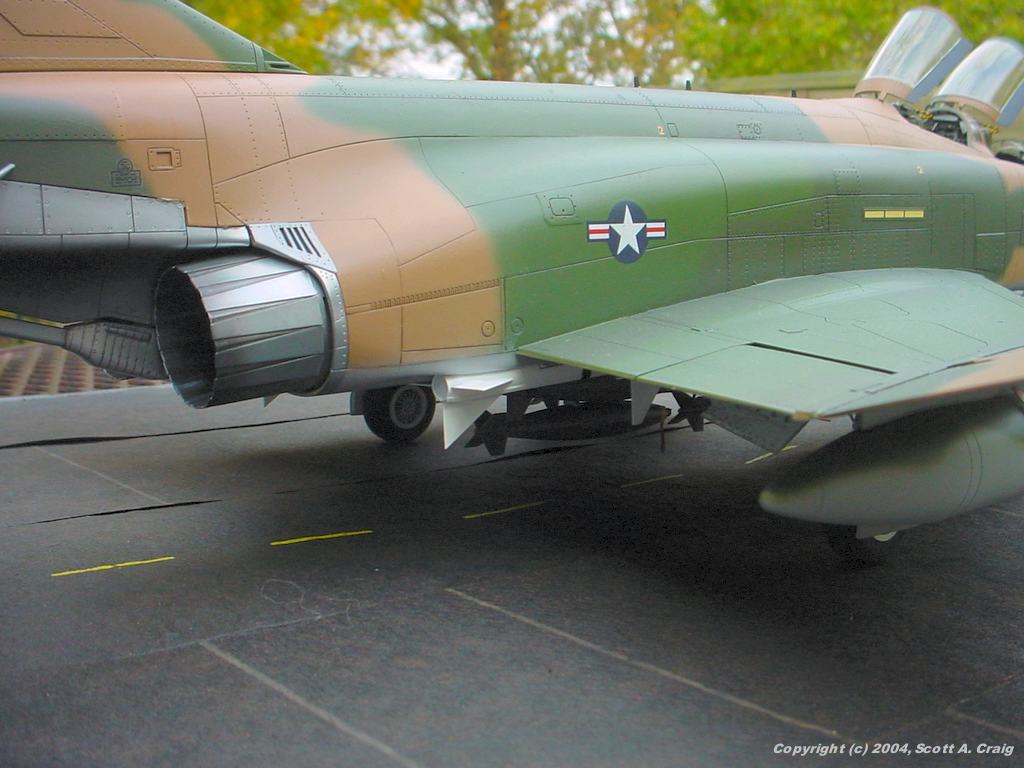
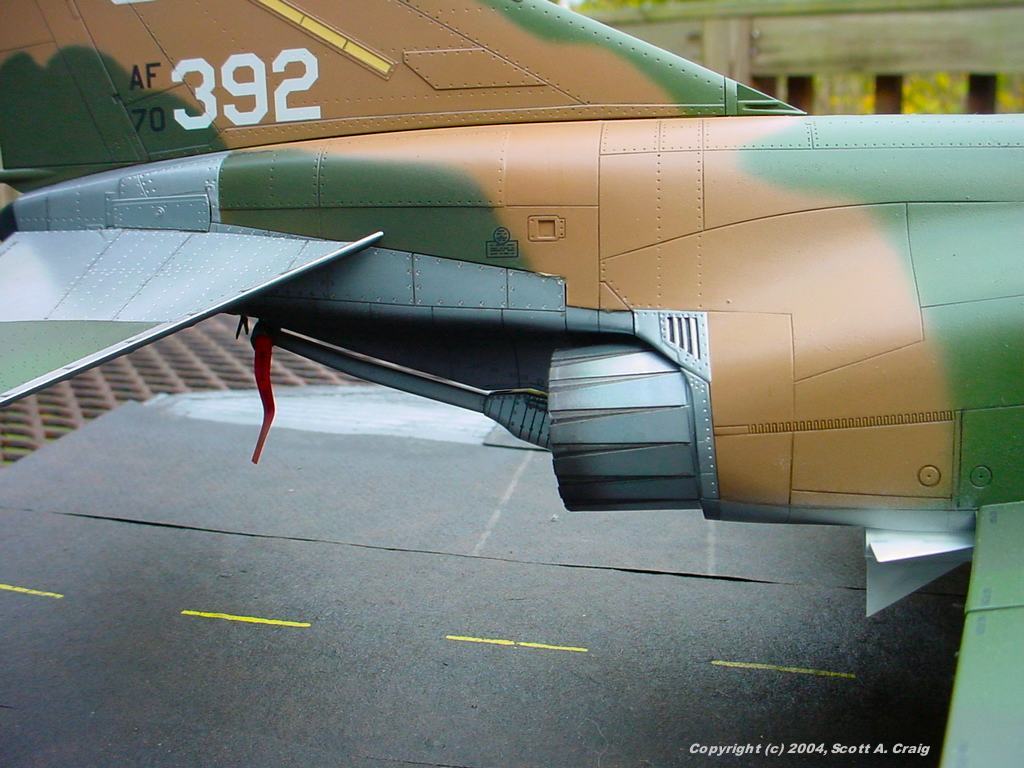
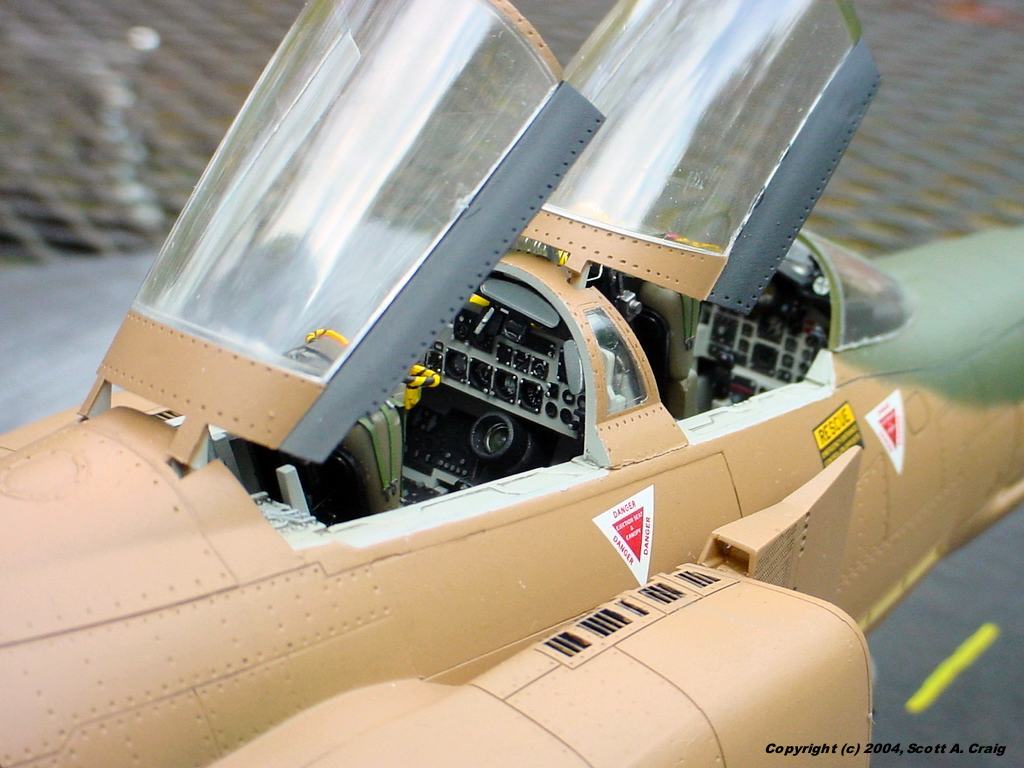
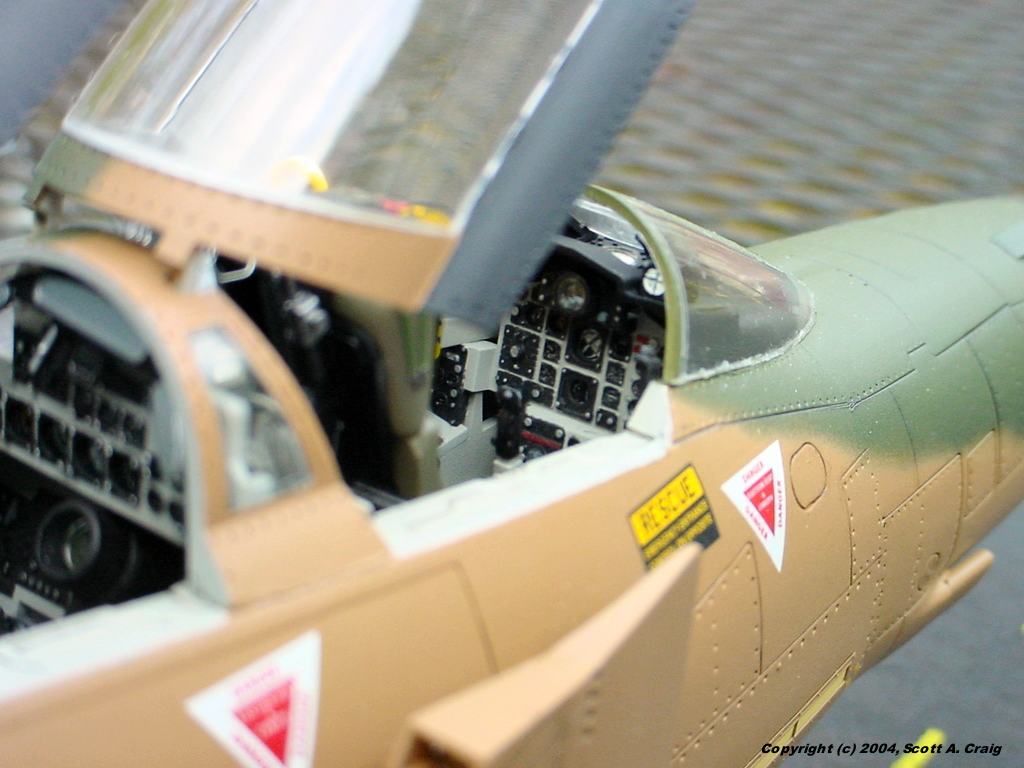
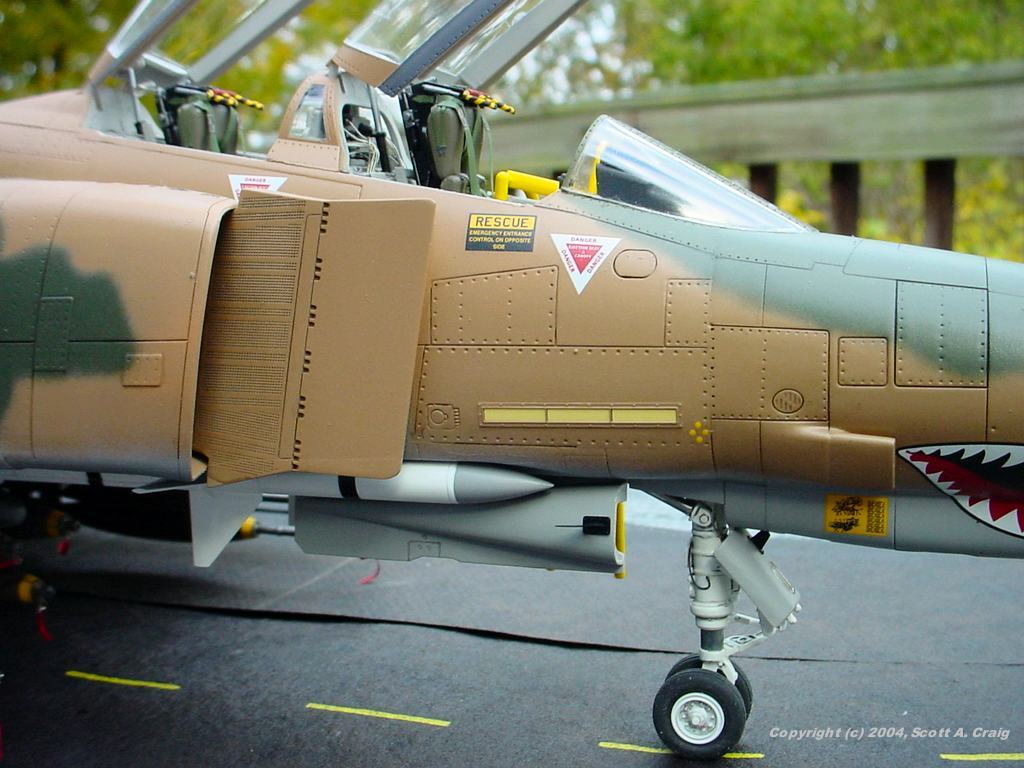
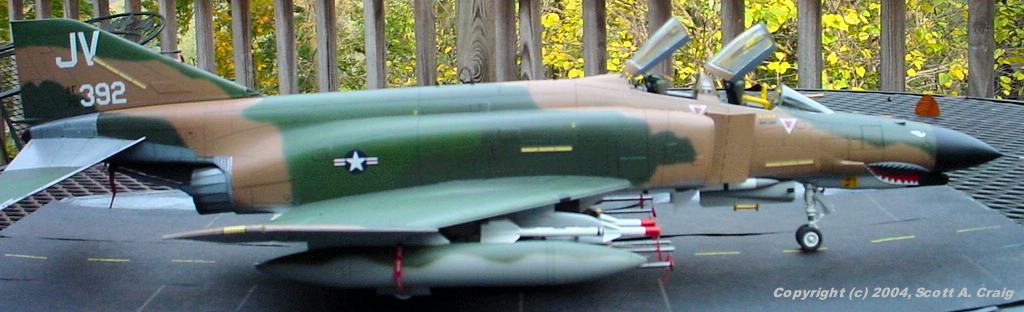
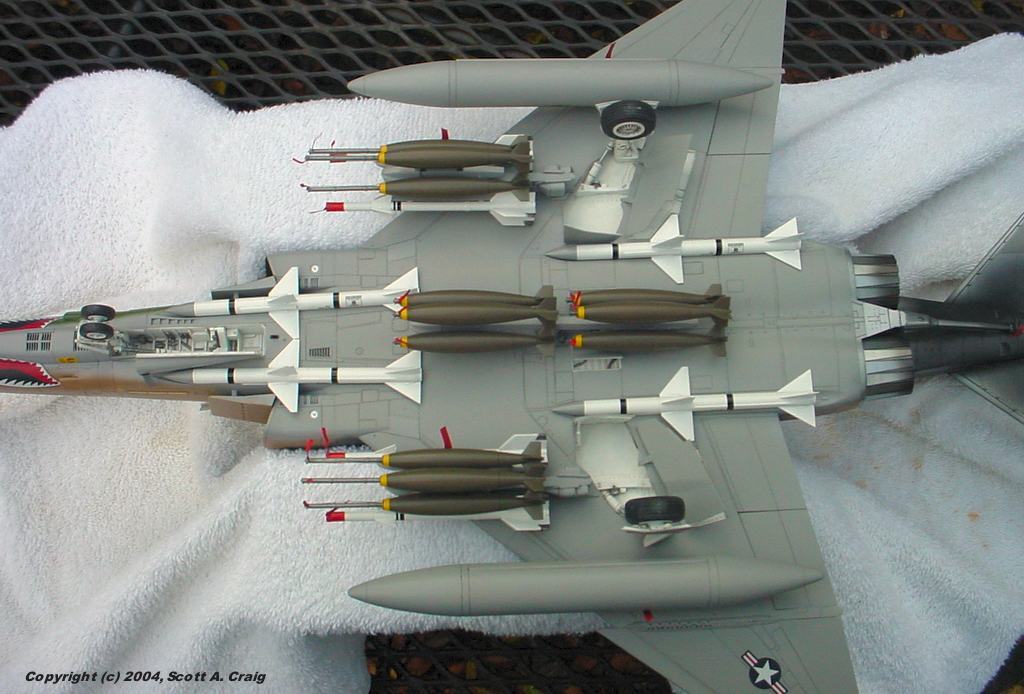
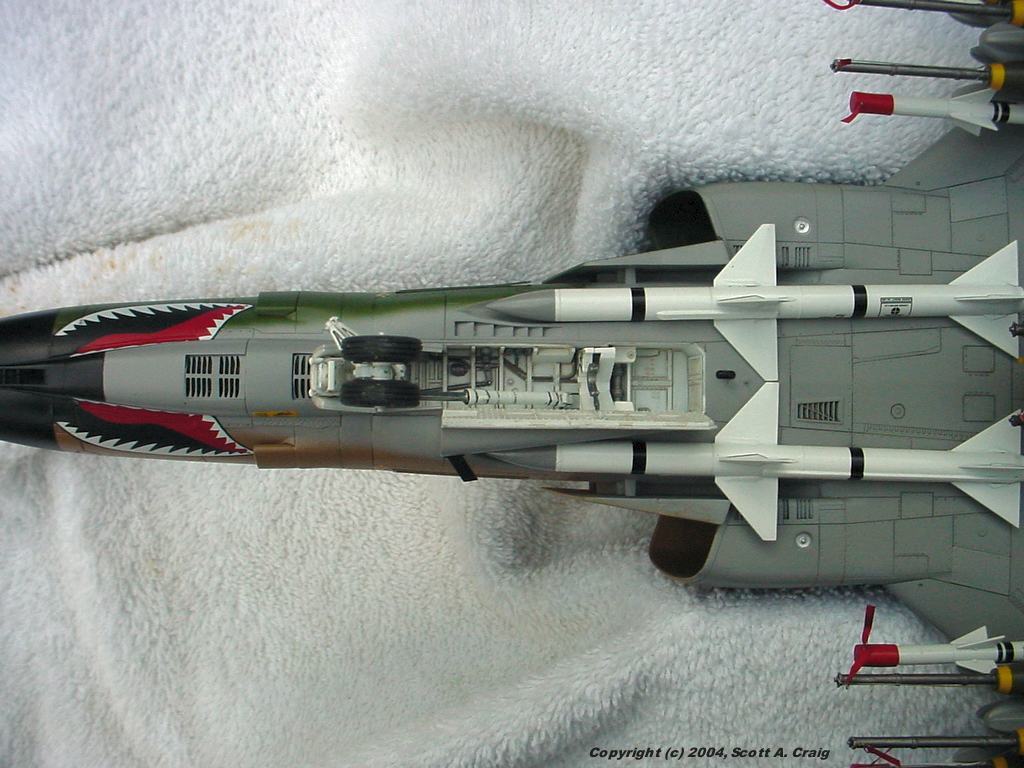
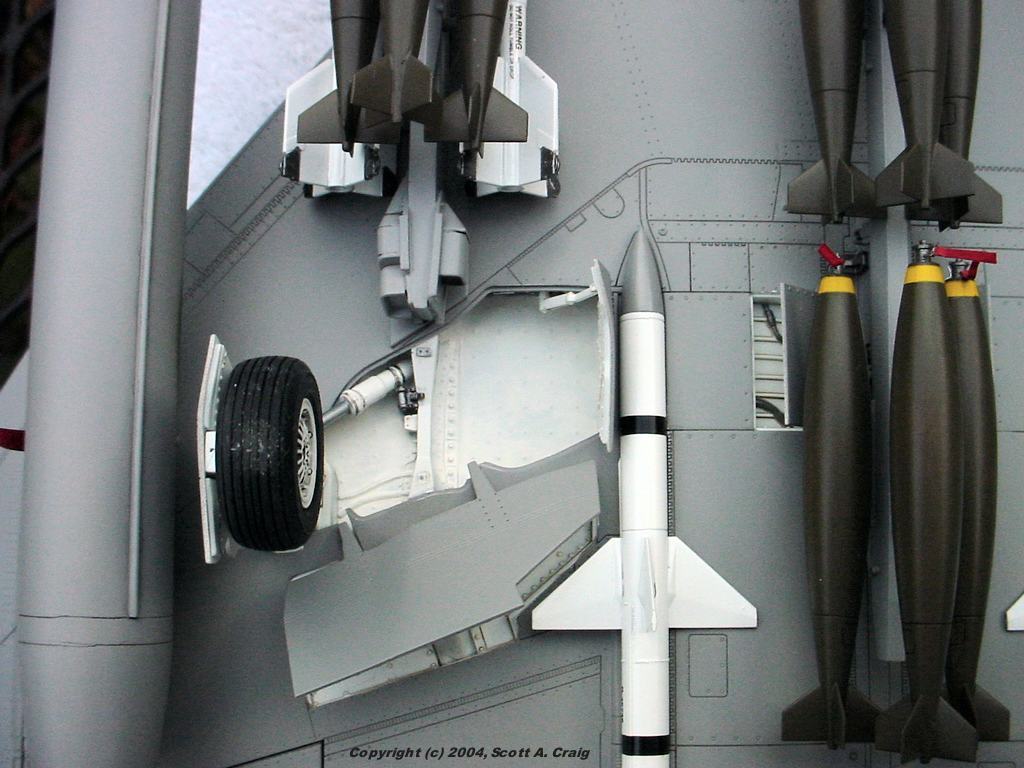
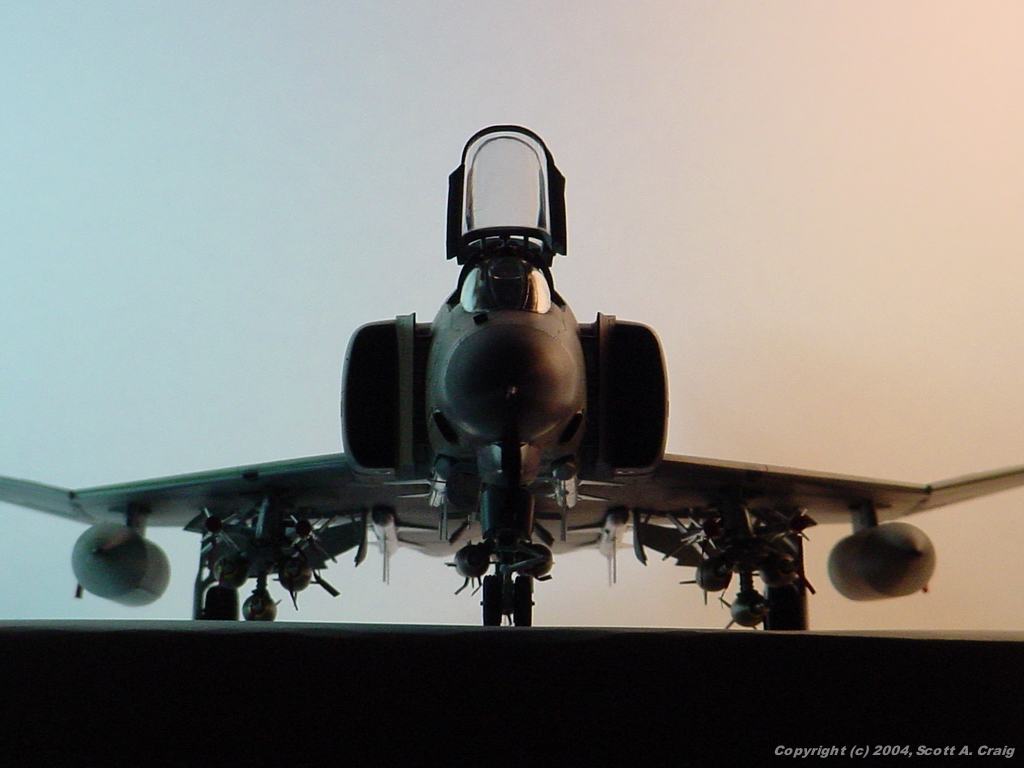
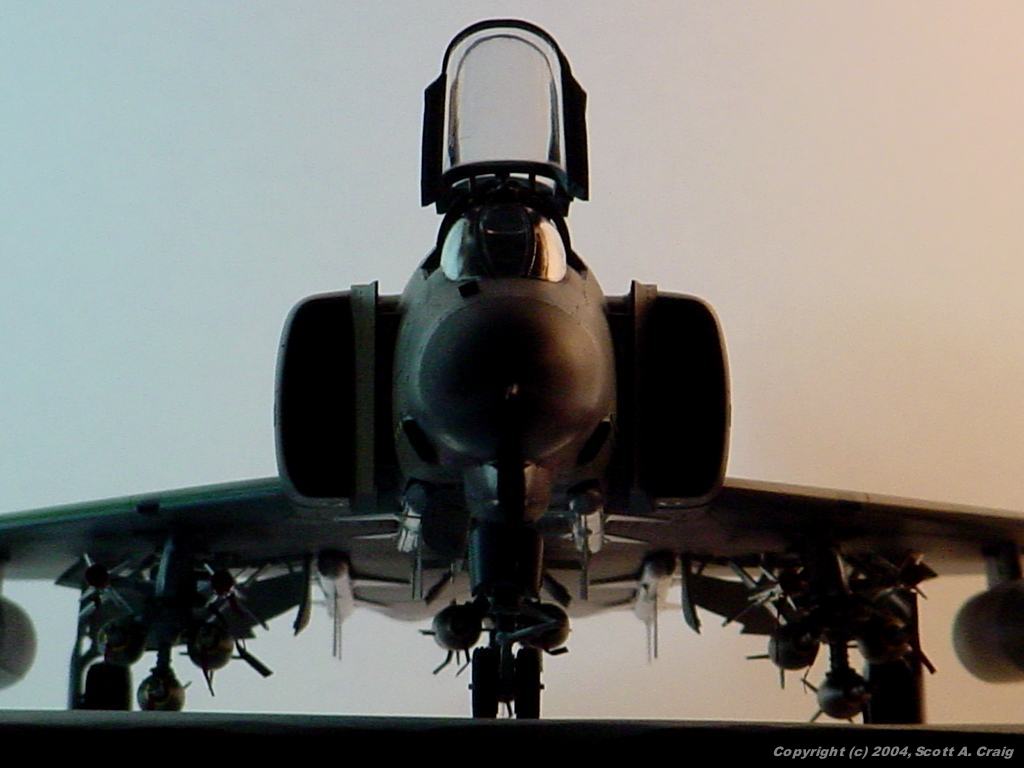
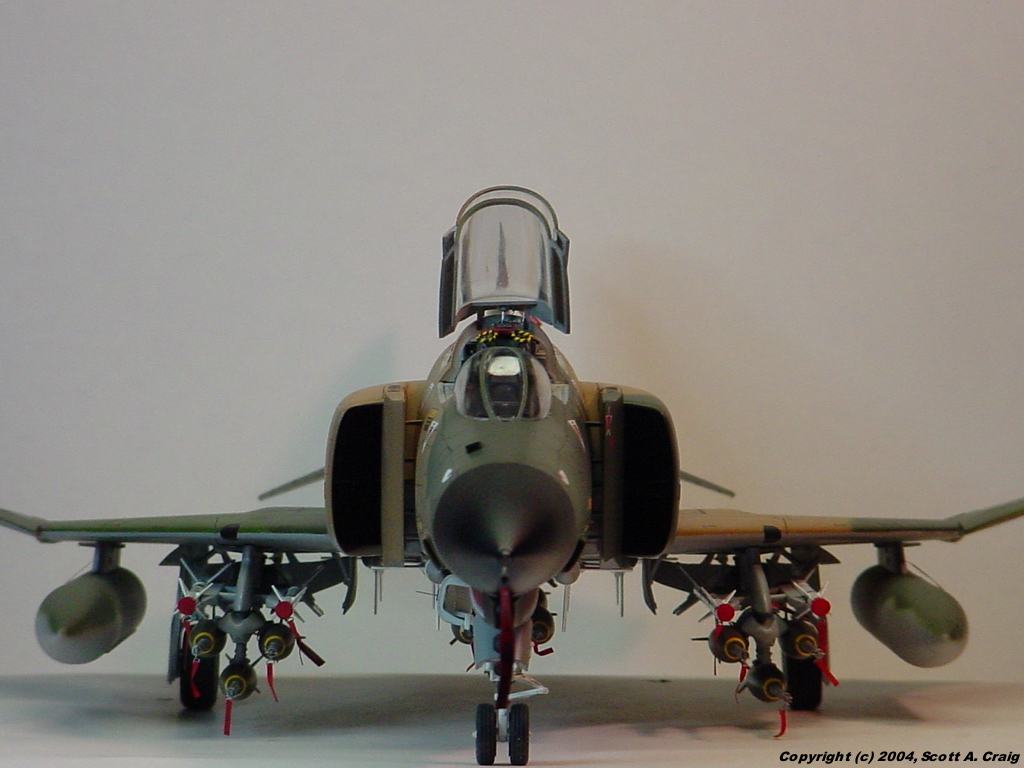
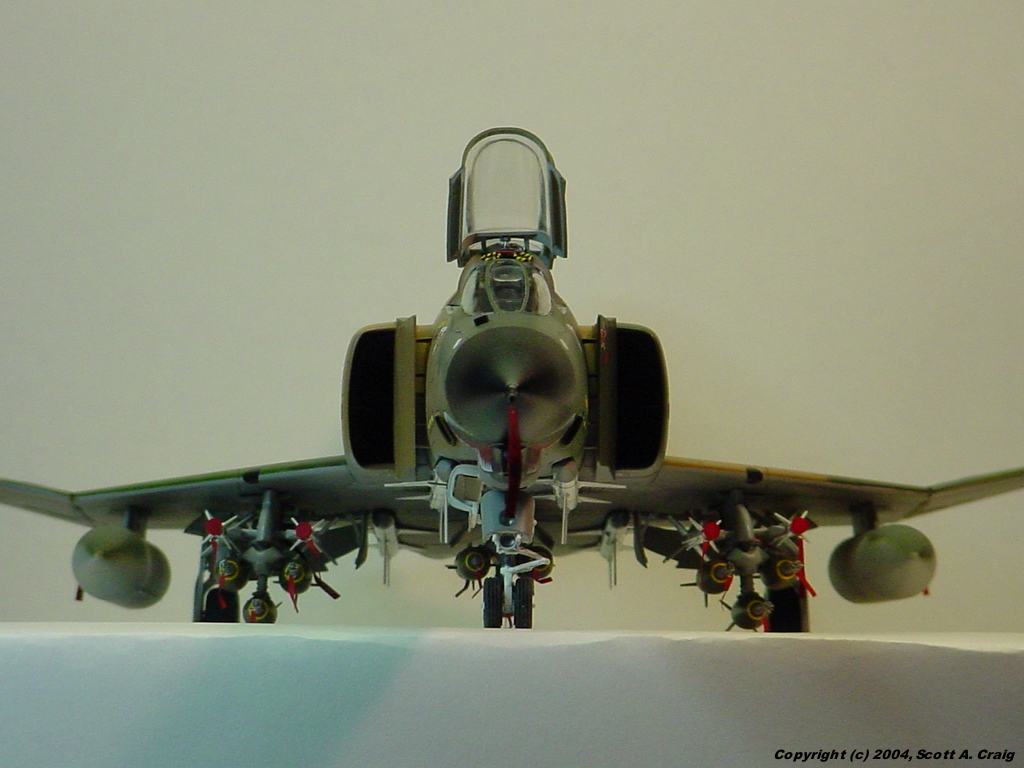
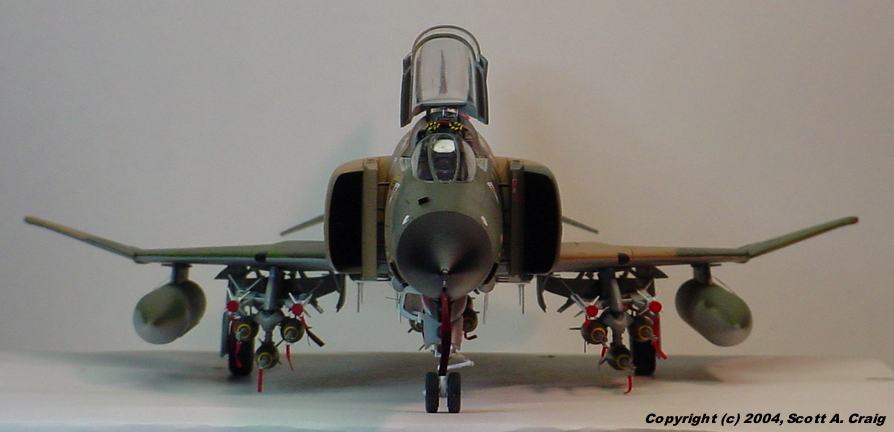
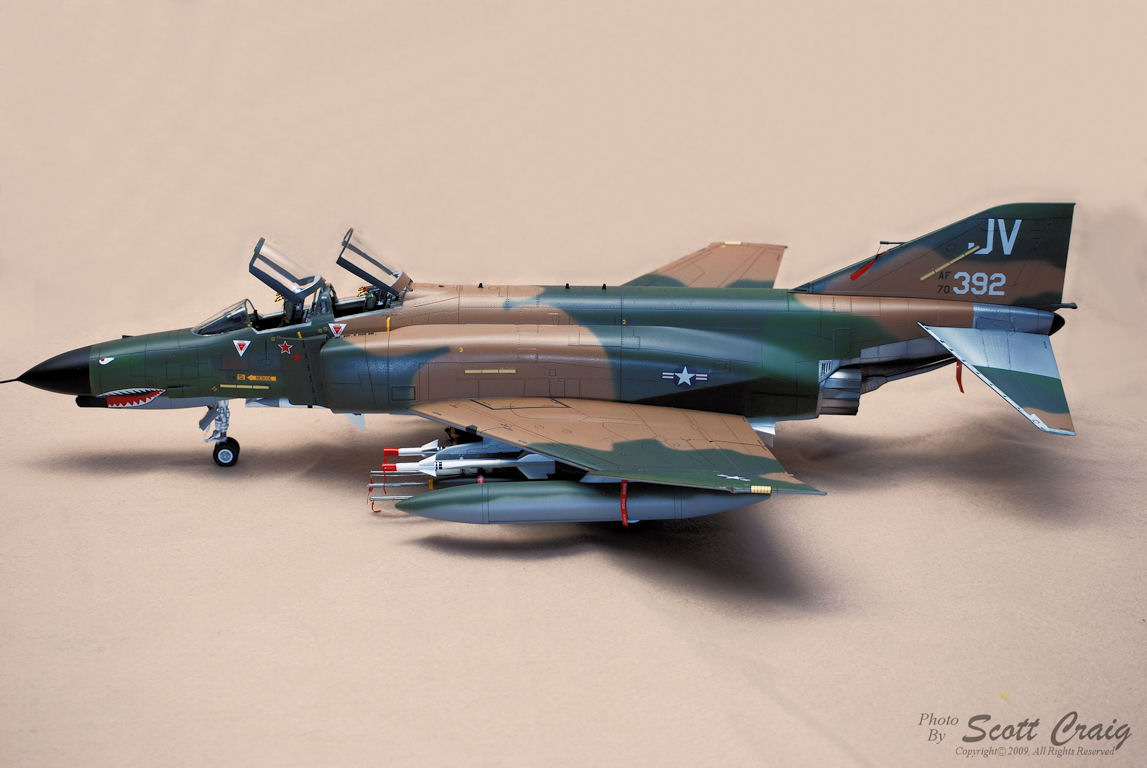
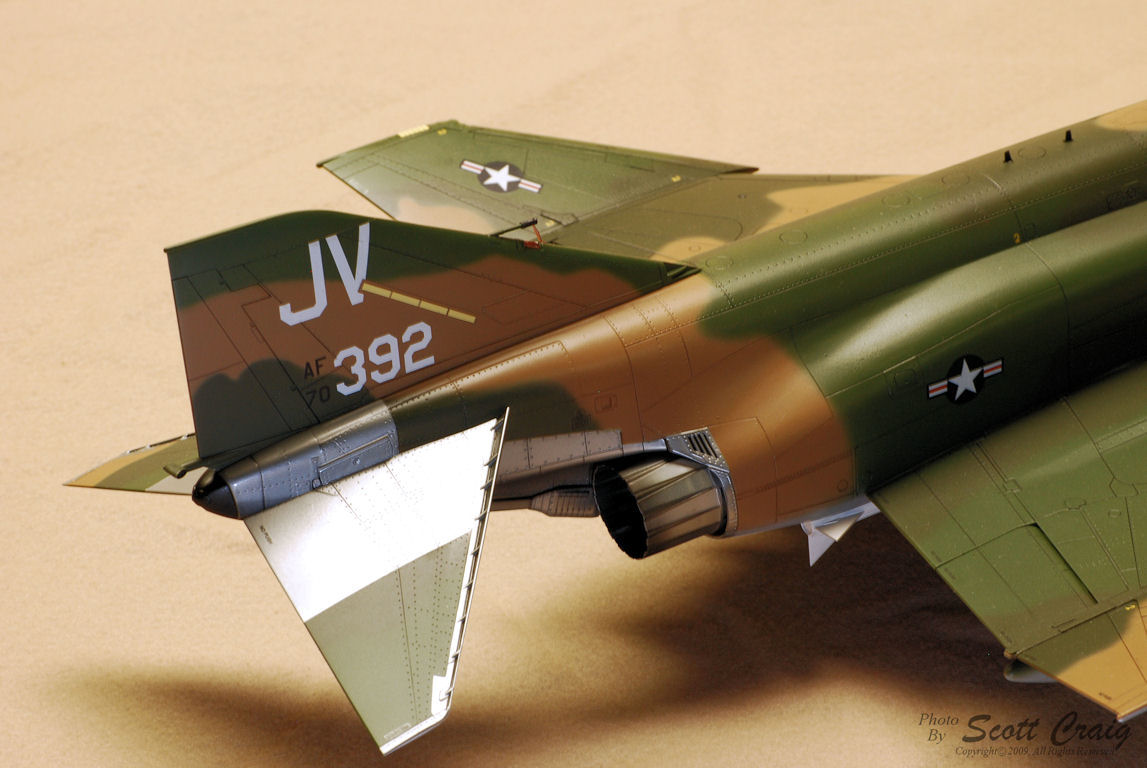
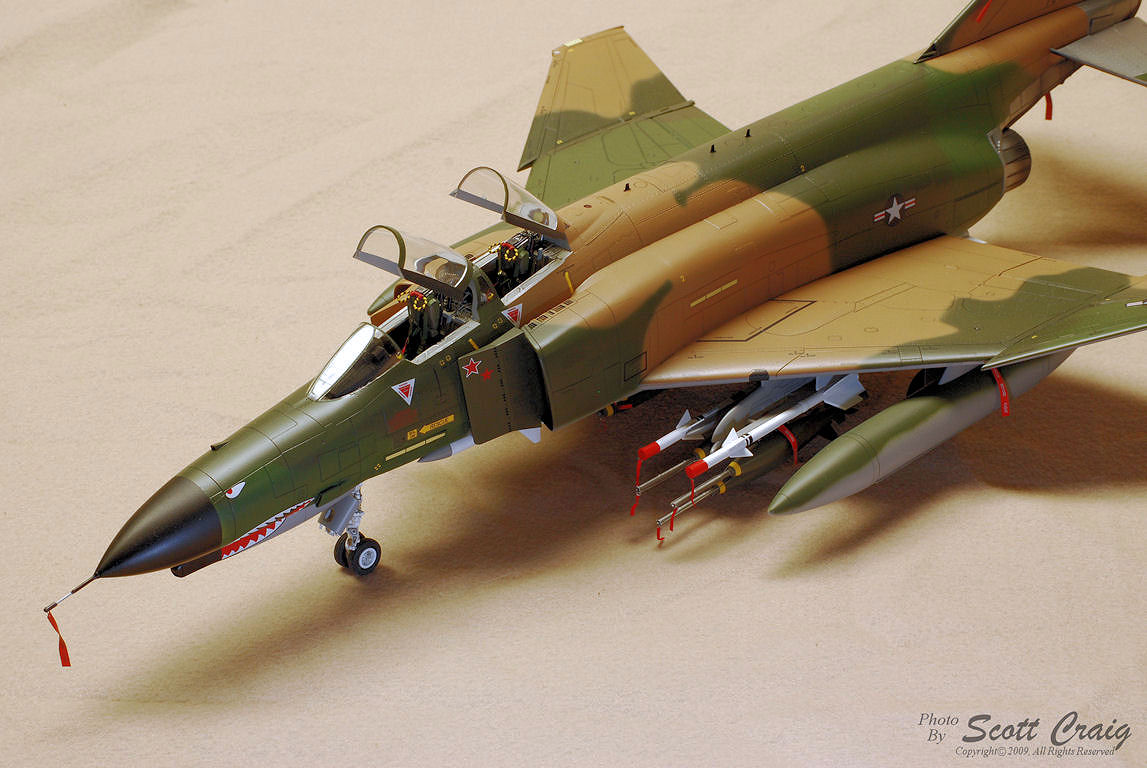
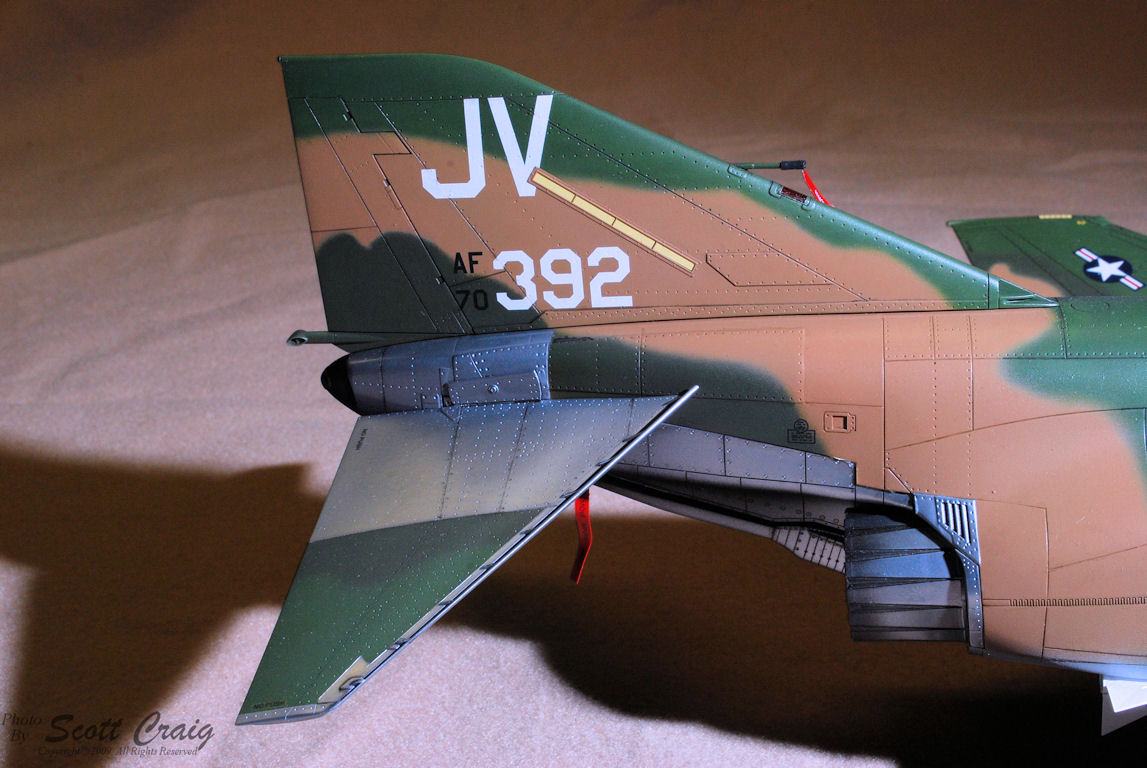
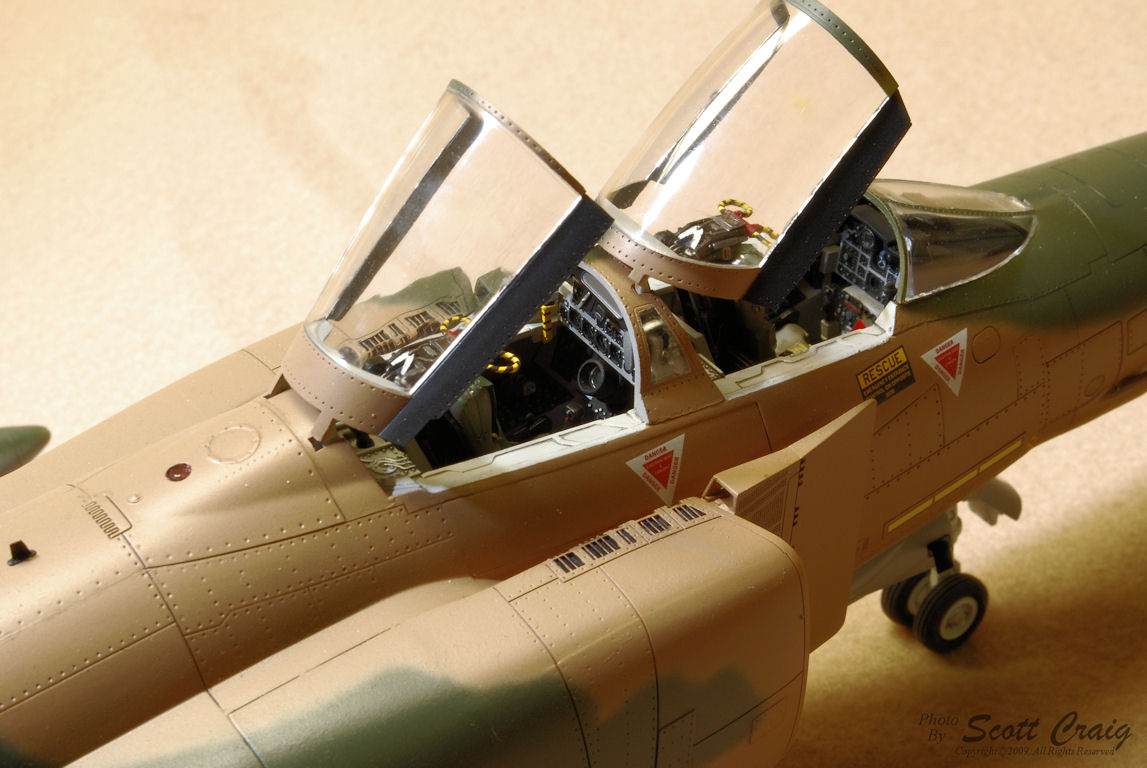
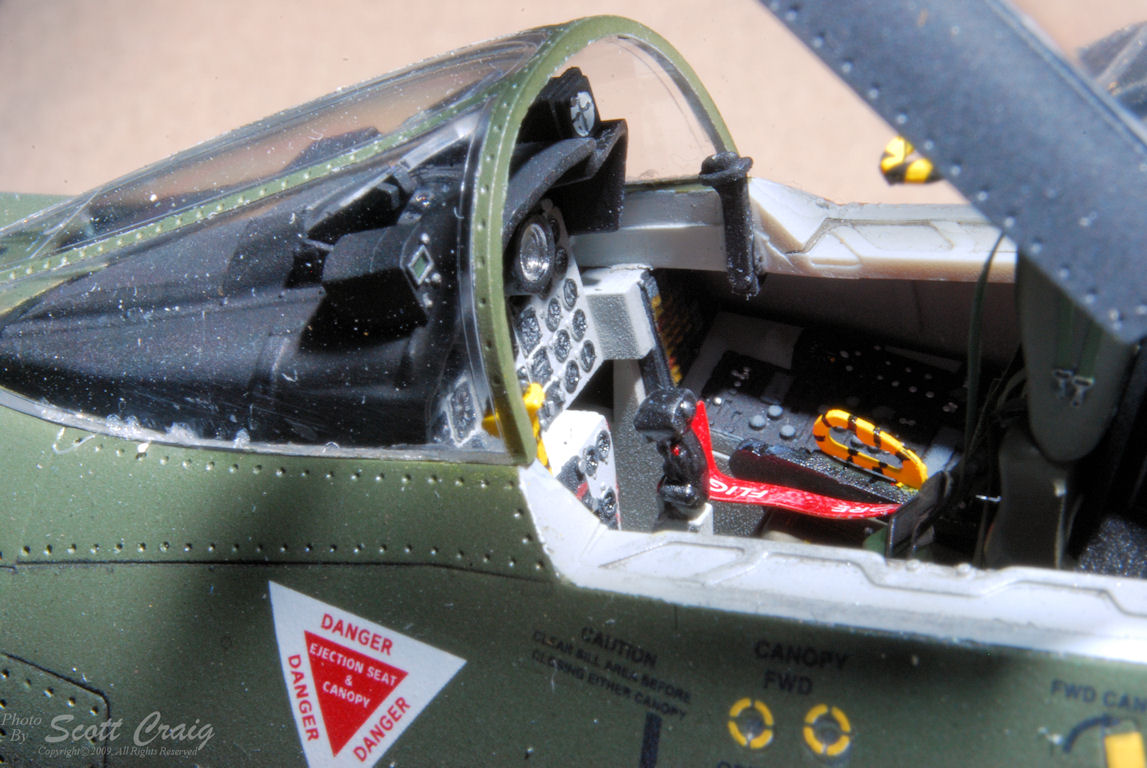
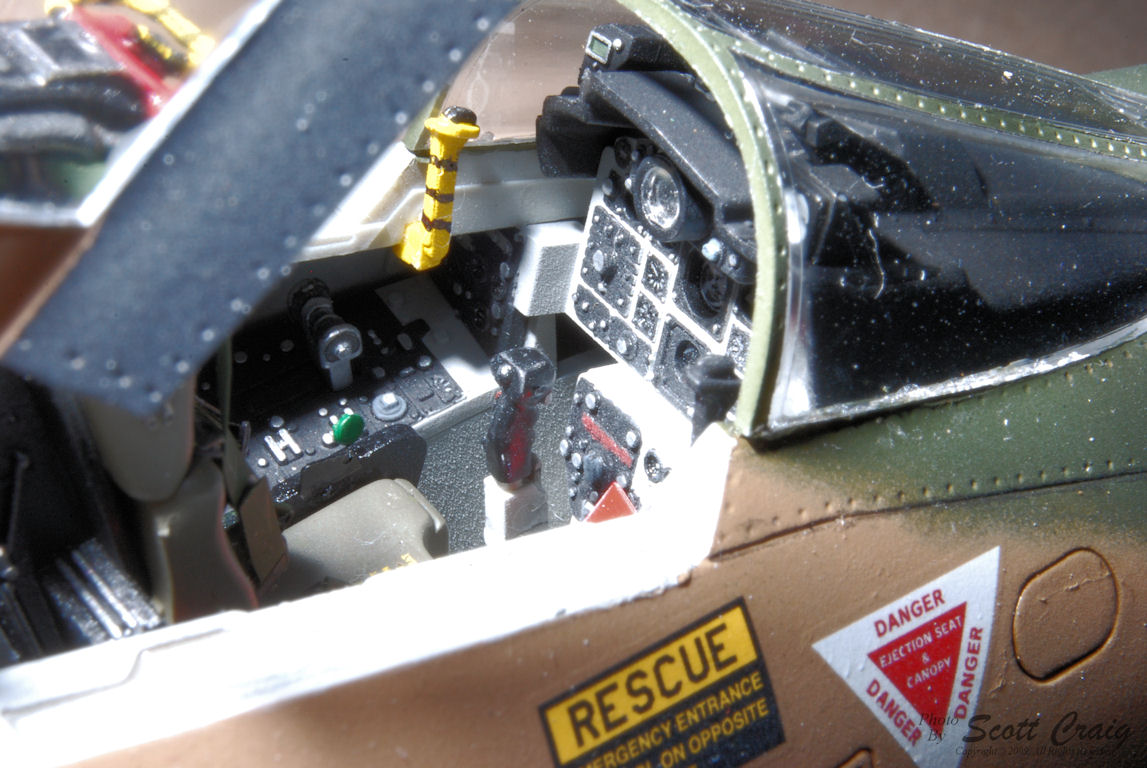
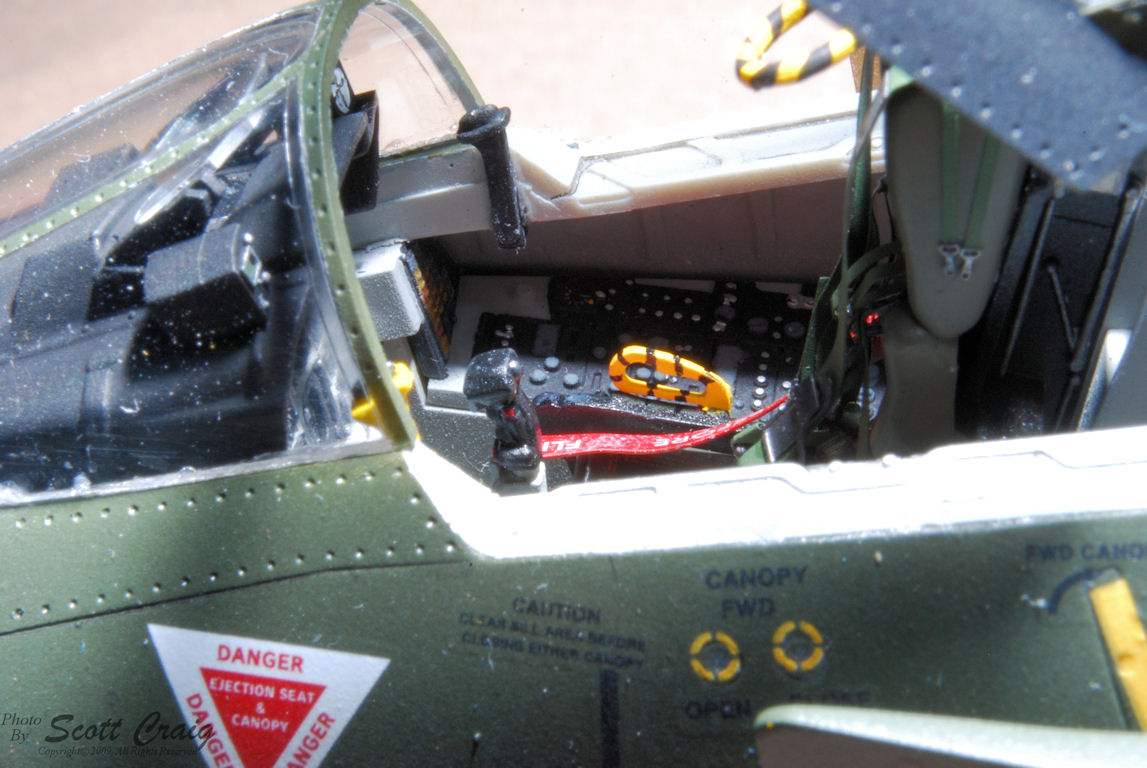
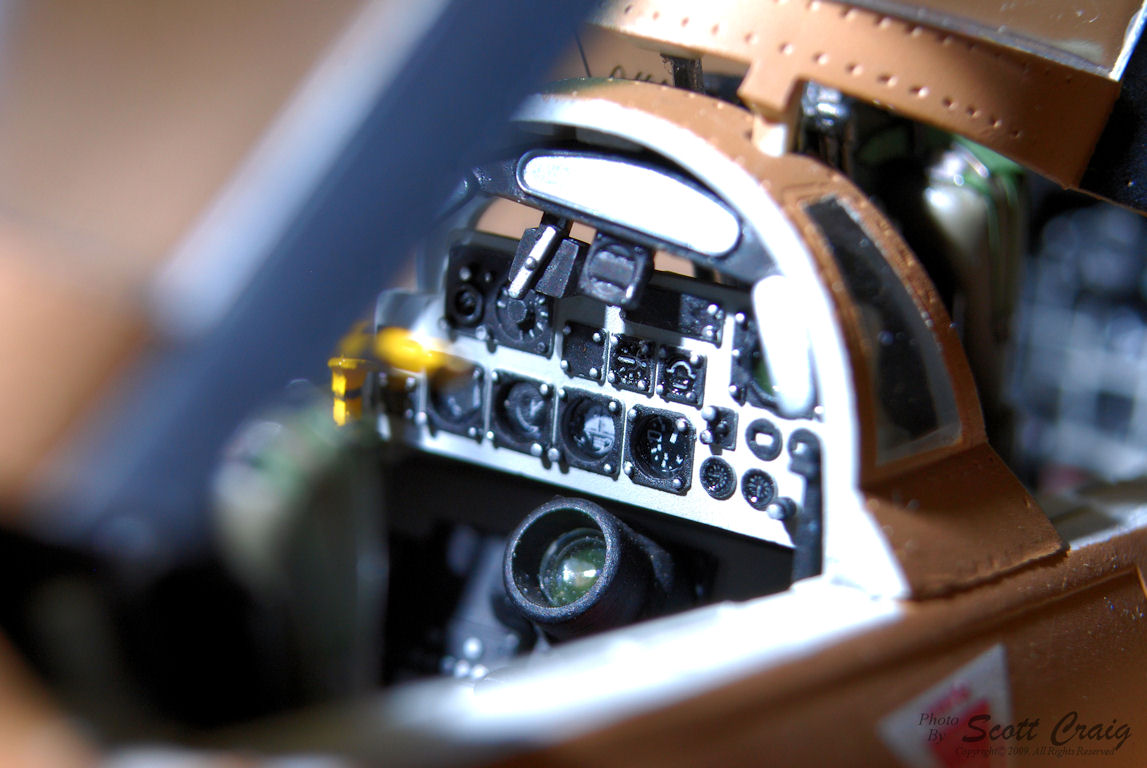
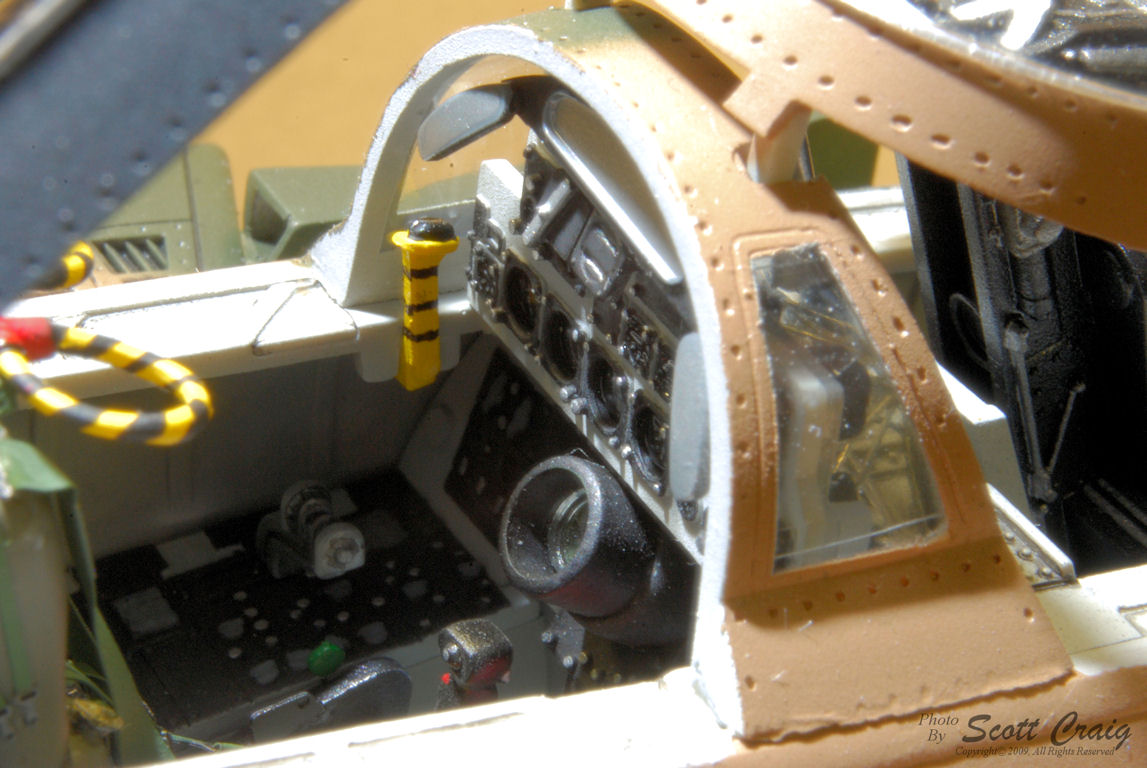
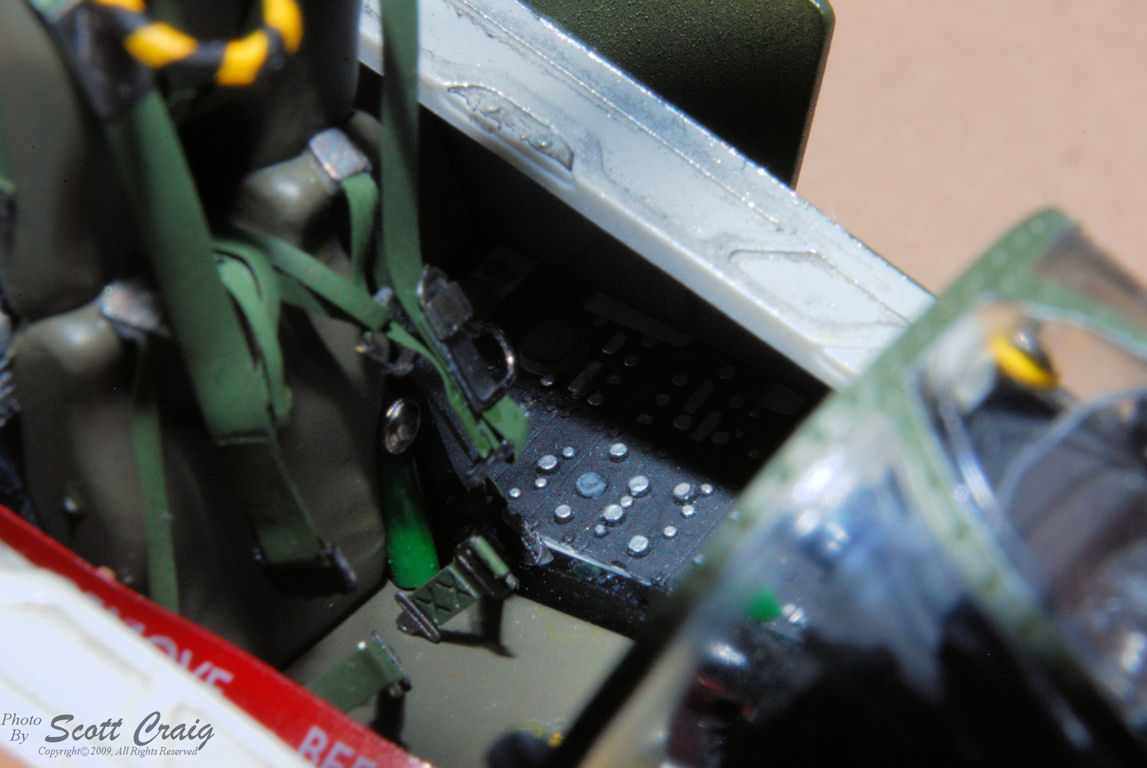
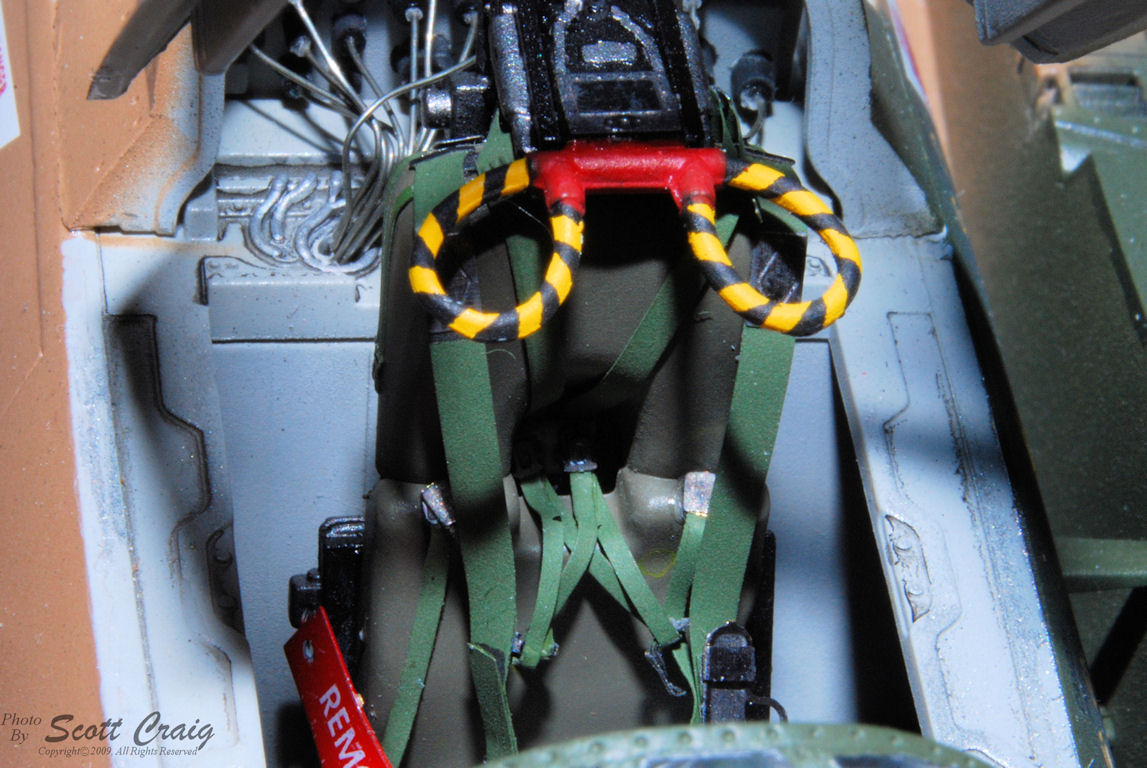
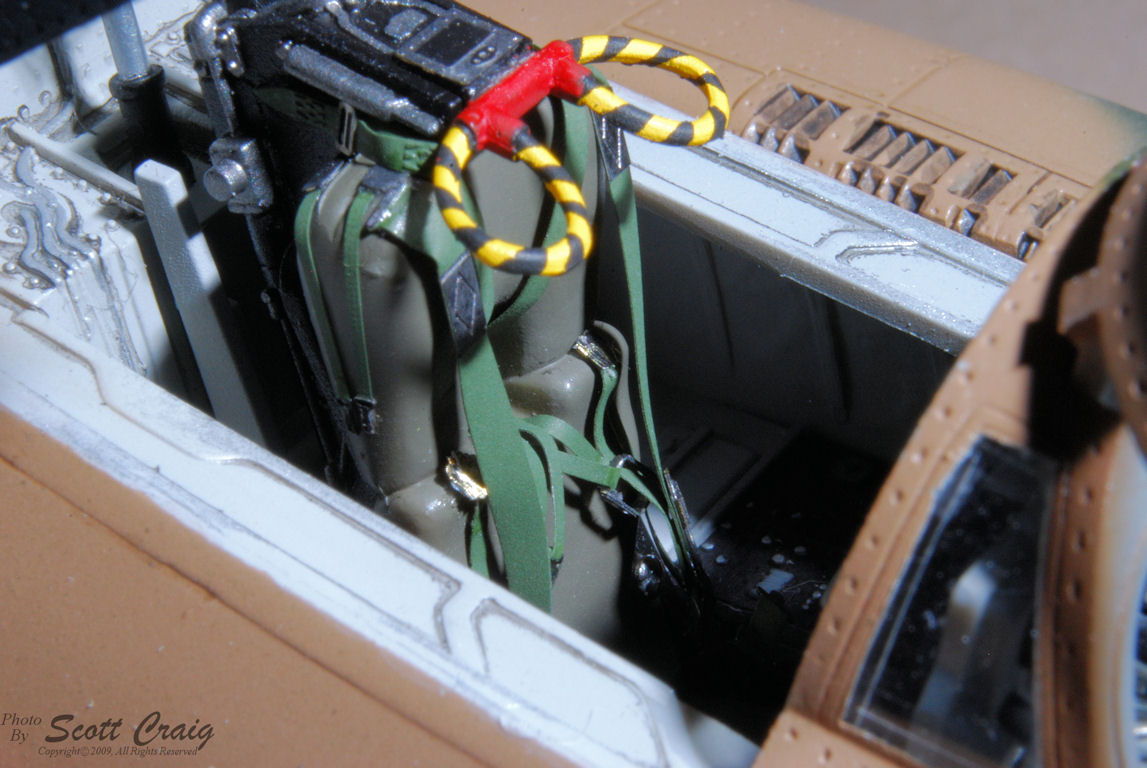
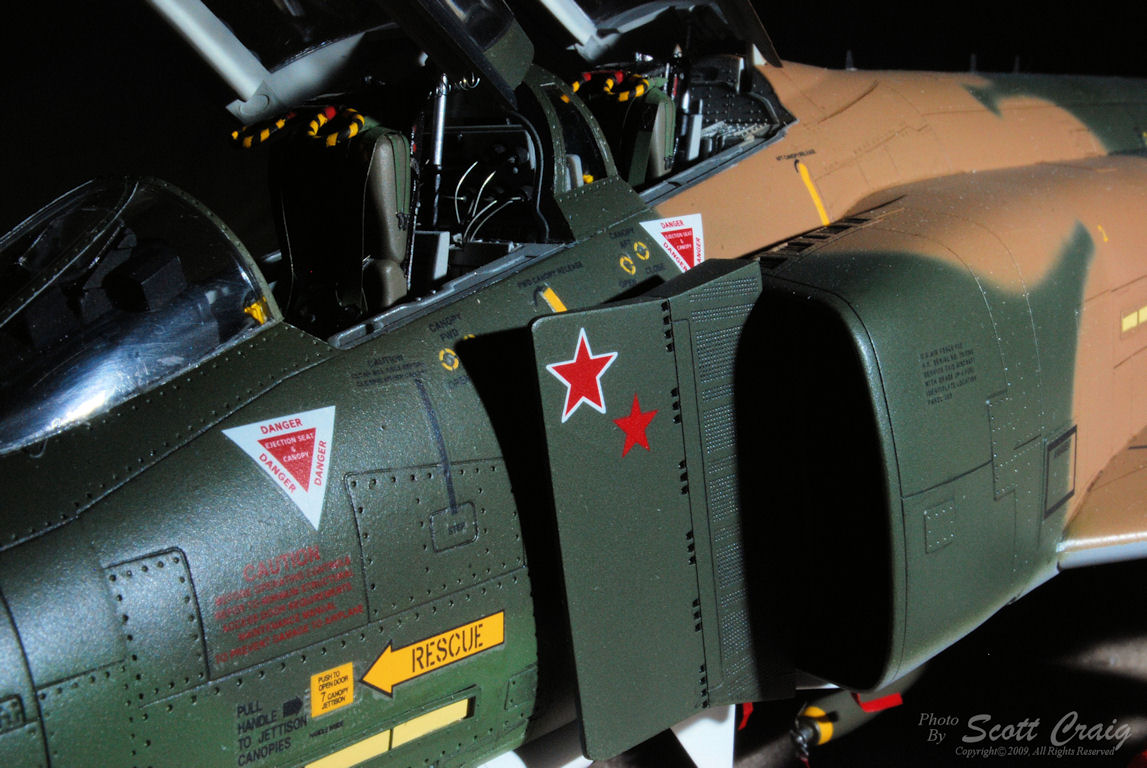
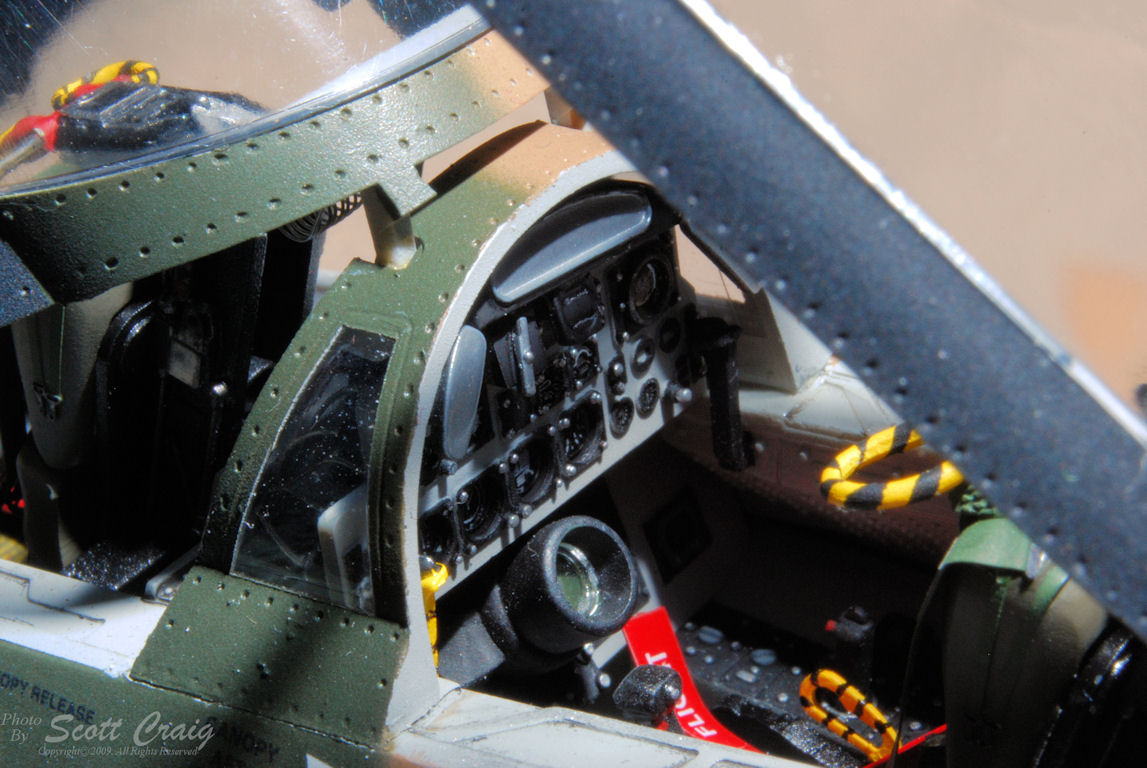
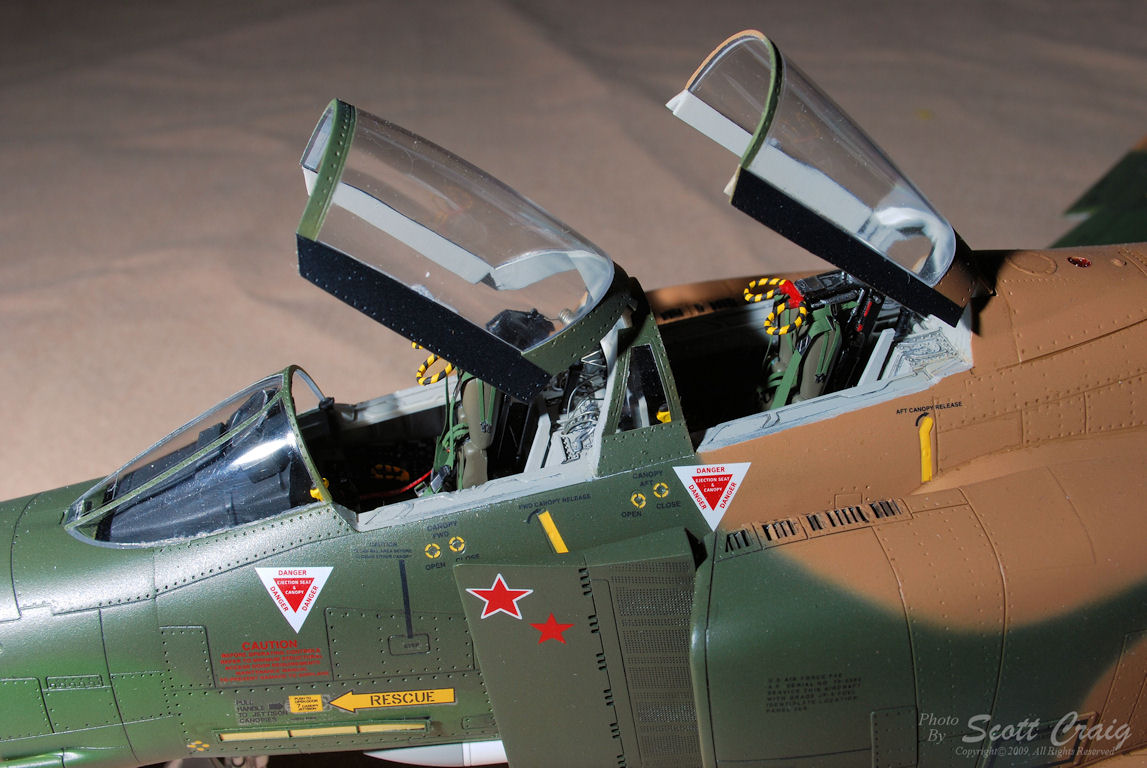
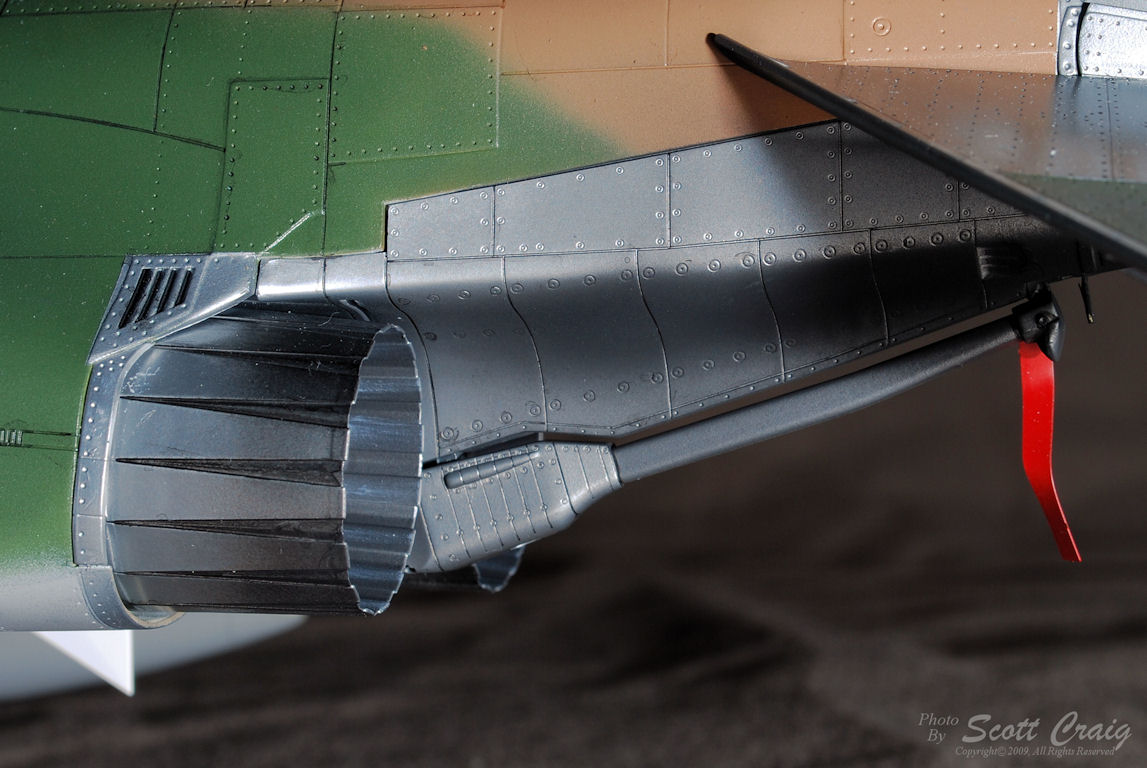
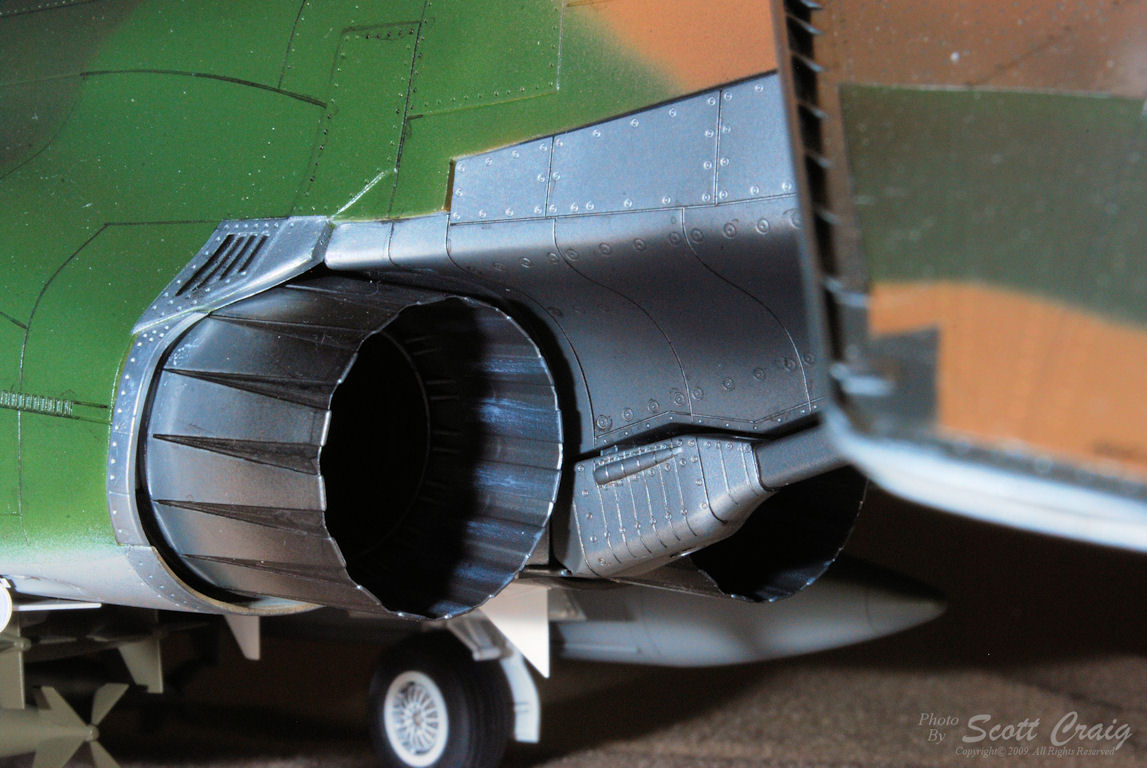
This aircraft model carries the markings of serial number 67-0392 and was assigned to the 469th Tactical Fighter
Squadron, 388 Tactical Fighter Wing. Aircraft 67-0392, call sign Eagle 3 and flown by Maj. Luke Lucas and
Lt. Doug Malloy, shot down a MIG-19 with an AIM-7 Missile on September 9, 1972 while flying an "Iron Hand"
mission led by Maj. Ed Cleveland and O.B. O'Brien in Eagle 1. The kill by Maj. Lucas and Lt. Malloy was the
first of nine kills for the 388th (split between the 34th and 469th). It ended with the downing of a MiG-21
on October 15, 1972. The aircraft is now on static display at the
Virginia Air and Space Center / Hampton
History Center in Hampton, VA.
| Notes: |
The date of arrival of the 40TFS at Korat RTAFB, and their
redesignation as 469 TFS is shown above as November, 1969 since this is the date that was given me by the Air
Force History Support Office. I have also seen this date shown as November, 1968 by other reliable sources.
At this time I do not know which is the correct date.
Update - 06/11/2007 - I just received an email from a man who was stationed with the 44th TFS at Korat during
the redesignation of the 40 TFS to the 469 TFS, and he assures me that it did without question occur during
November, 1968. Thanks for the clarification, Al!
Update - 11/30/2008 - I just received an email from a man who was Major Lucas's room mate at that time who was
good enough to correct some of my historical errors. That's the problem with pulling historical "Facts" from
the internet, they aren't always "Factual". Thanks very much, Lon. Your input is appreciated.
Update - 08/12/09 - I just received an email from a man who flew in 392 a few times. He informed me that the
"JV" squadron marking on the tail was for the 469 TFS and not the 34 TFS. Not much I can do about it now
though, except wish I had gotten it right ;) Thank you for the input, Richard. As with the others
mentioned above it is much appreciated.
Update - 12/14/09 - I received another confirming email from a man who was crew chief on this aircraft for 9 months
while it was in Vietnam. He told me that the "JV" tail code was most assuredly for the 469 TFS, and the aircraft
was assigned to the 469 TFS at the time of it's downing of the MiG 19. He should know, it was his plane for a
long time! Thank you for your input as well. It is the guys like you who keep the rest of us straightened out.
Update - 04/04/2013 - I received an email from a retired USAF colonel who stated, "The 469th TFS arrived at Korat in
November 1965 from McConnell AFB, KS. That was their permanent change of station in the F-105. I joined the
squadron in April 1966 and flew 100 missions over North Vietnam. Lt Col Cooper was the squadron commander
and Major Bob Krone replaced him after he was shot down." Thank you for the information Col Moon.
|
Here is a link to a picture of 392 on the
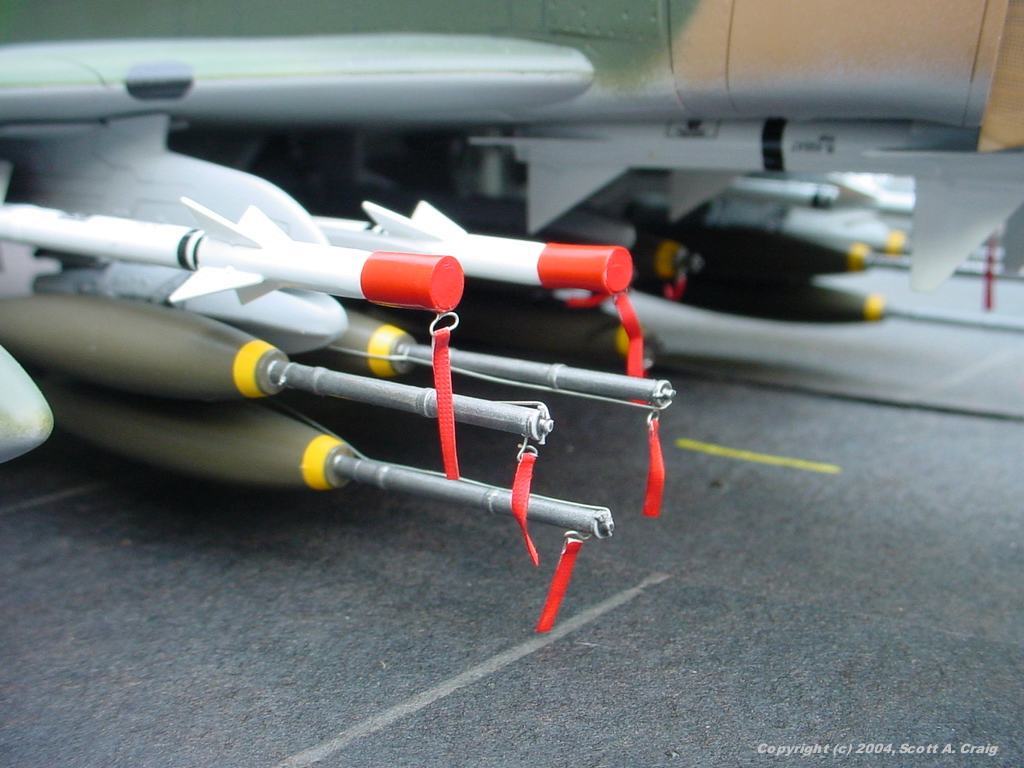
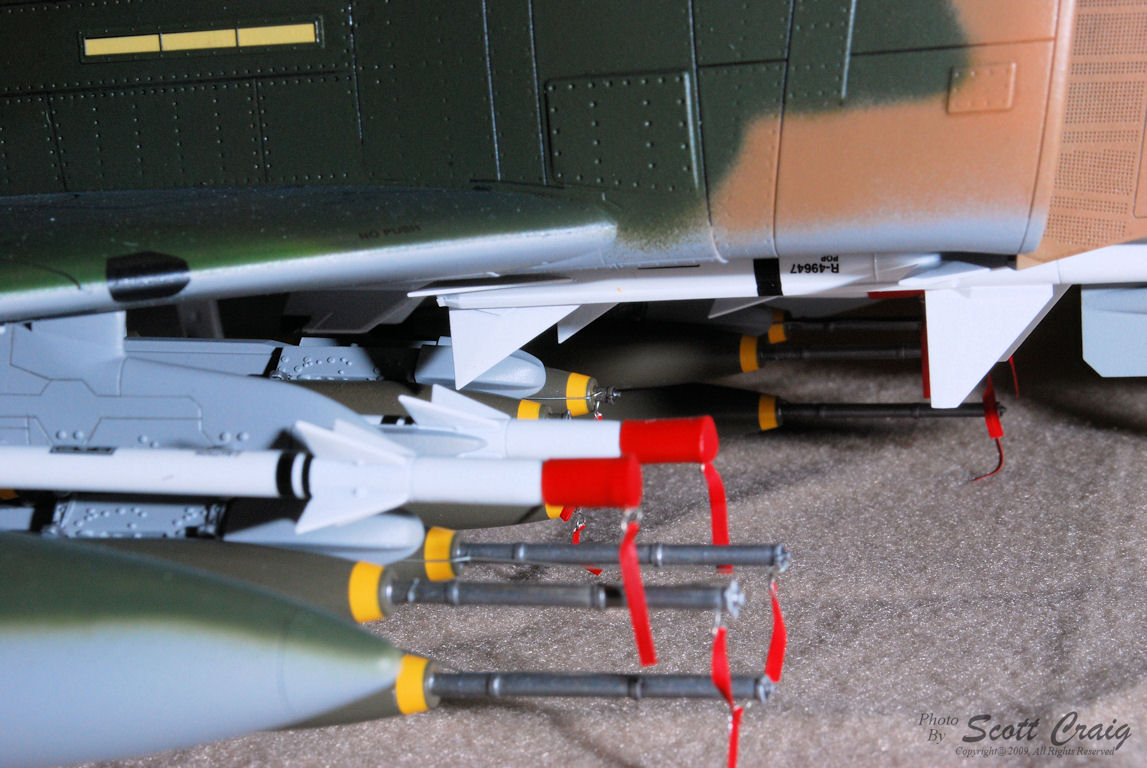
Military Aviation Journal web site. It is dropping a load
of Mk. 82 bombs (some with extended fuses). Also take note of the AIM-7E Sparrow missiles tucked into the
recesses on the bottom of the fuselage and the 600 gallon centerline auxiliary fuel tank. The fairing
under the nose (with a yellow stencil on it) houses a 20mm M61A1 Vulcan rotary cannon. The photo was
taken by Don Logan in January, 1972 while participating in a LORAN pathfinder mission.